
Chikankari embroidery is not just a crafts it is a legacy woven into fabric through patience, precision, and centuries of artistry. Originating from Lucknow, this delicate hand embroidery has evolved into one of India’s most cherished textile traditions. What truly sets Chikankari apart is its variety of stitches, each creating a unique texture and visual appeal while maintaining the craft’s signature elegance.
If you admire Chikankari embroidery or are planning to invest in authentic pieces, understanding its stitches can help you appreciate the craftsmanship behind every kurti, saree, or kurta. Let’s explore the most important types of Chikankari embroidery stitches you should know.
1. Tepchi – The Foundation Stitch
Tepchi is often considered the base of Chikankari embroidery. It is a simple running stitch worked on the wrong side of the fabric using fine cotton thread. While it may look minimal, Tepchi forms the outline for more elaborate stitches. Artisans frequently use it to sketch floral motifs, vines, and creepers before adding detailed work.
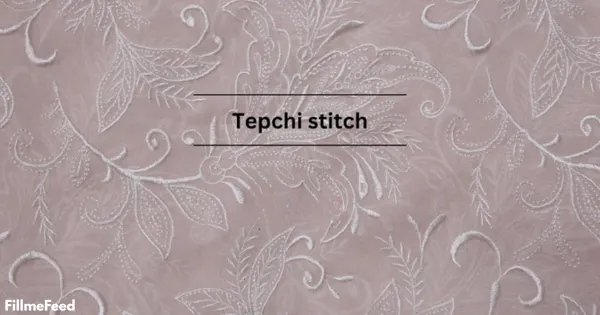
This stitch is commonly found on lightweight cotton fabrics and everyday Chikankari garments, making it both functional and elegant.
2. Bakhiya – The Shadow Effect
Bakhiya is one of the most iconic stitches in Chikankari embroidery. Also known as shadow work, it is done on the reverse side of the fabric, creating a soft, shadow-like appearance on the front. There are two types: Ulti Bakhiya, where the shadow is prominent, and Seedhi Bakhiya, which gives a cleaner finish.
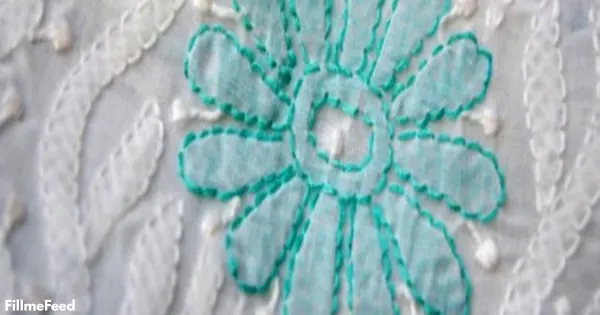
Bakhiya is especially popular in white-on-white Chikankari embroidery, as it adds depth without overpowering the design.
3. Hool – The Delicate Eyelet
Hool is a fine eyelet stitch that resembles tiny holes carefully embedded into the fabric. Each eyelet is reinforced with thread, making it both decorative and durable. This stitch is often used as a floral center or accent detail within larger patterns.
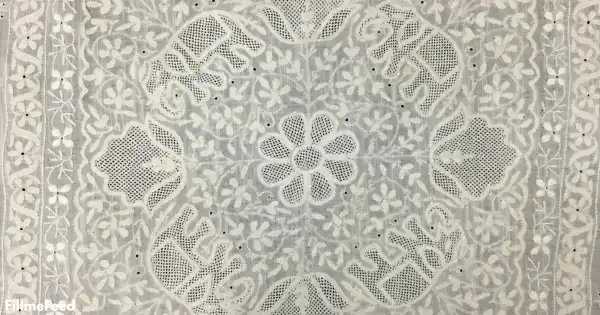
Hool adds a subtle charm to Chikankari embroidery, enhancing breathability and elegance, perfect for summer wear.
4. Zanzeera – The Chain of Beauty
Zanzeera is a chain stitch used to outline motifs and give structure to designs. It is slightly thicker than Tepchi and helps define the embroidery pattern clearly. Often used in combination with filling stitches, Zanzeera ensures the design stands out while maintaining a soft finish.
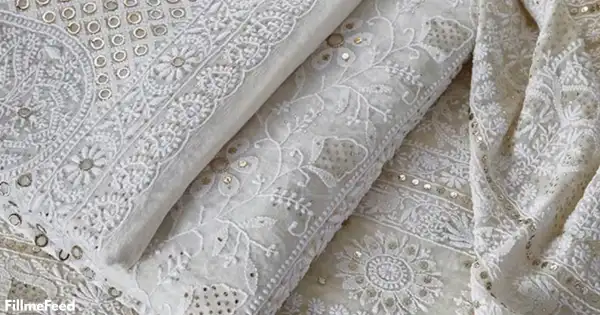
This stitch is common in Chikankari embroidery pieces meant for festive or semi-formal occasions.
5. Rahet – The Stem Stitch
Rahet is a stem stitch primarily used to create leaves, branches, and flowing lines. It adds a natural, organic movement to the embroidery, making floral motifs appear more lifelike. This stitch works beautifully on fine fabrics like muslin, voile, and cotton silk.
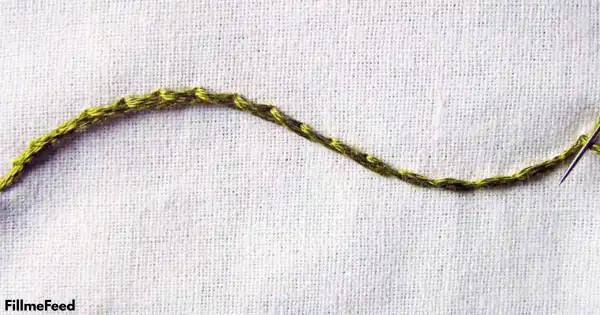
Rahet brings balance and rhythm to Chikankari embroidery designs.
6. Murri – The Grain-Like Texture
Murri is a knotted stitch that resembles tiny grains of rice. It is one of the most time-consuming Chikankari embroidery stitches and requires immense skill. Murri is commonly used as the center of flowers or to add texture to motifs.
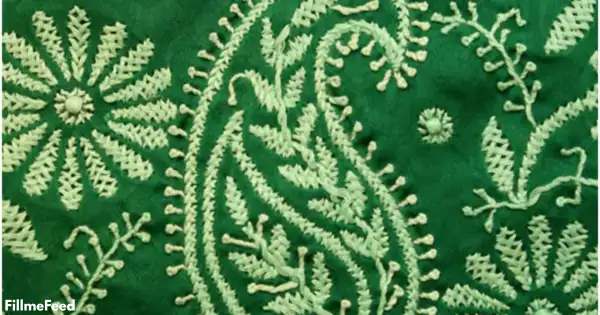
Because of its intricate nature, garments featuring Murri are often considered premium and collectible.
7. Phanda – The Pearl Knot
Phanda is similar to Murri but slightly larger and rounder, resembling a small pearl. It adds a raised, three-dimensional effect to the fabric. This stitch is often paired with Murri to create contrast and detail.
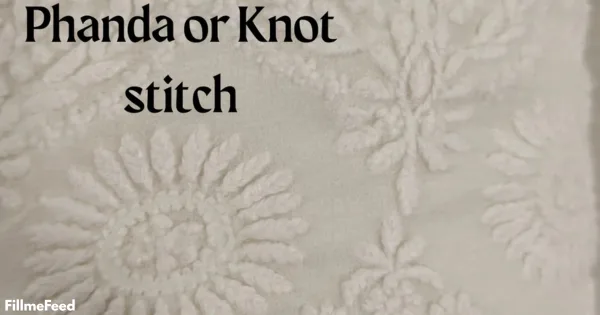
Phanda enhances the richness of Chikankari embroidery, especially in bridal or occasion wear.
8. Jali – The Magic of Transparency
Jali is one of the most admired stitches in Chikankari embroidery. It creates a net-like effect by carefully separating threads of the fabric without piercing it. The result is a sheer, lace-like pattern that looks identical on both sides of the fabric.
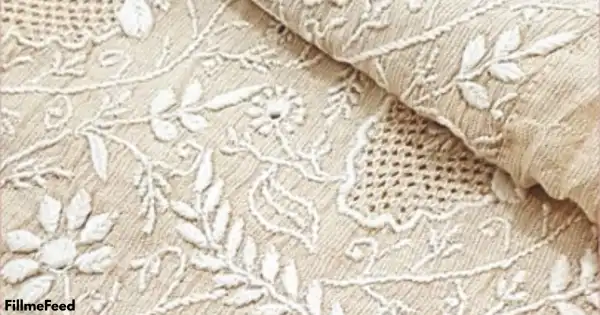
Jali work is a mark of master craftsmanship and is highly valued in authentic Chikankari pieces.
Why These Stitches Matter
Each stitch in Chikankari embroidery tells a story of skill passed down through generations. Unlike machine embroidery, these hand stitches require time, patience, and a deep understanding of fabric. Knowing these stitches helps buyers identify genuine craftsmanship and understand why authentic Chikankari holds timeless value.
Final Thoughts
Chikankari embroidery is a celebration of subtle beauty and fine detail. From the simplicity of Tepchi to the intricate magic of Jali, every stitch plays a role in preserving this traditional art form. Whether you’re a fashion enthusiast, a conscious buyer, or someone exploring Indian textiles, understanding these stitches deepens your connection to the craft.
In a world of fast fashion, Chikankari embroidery remains a gentle reminder that true elegance is always handcrafted.