
For years, Bollywood chased trends inspired by romance, action spectacles, biopics and crime thrillers. In 2026, however, one genre has clearly emerged as the industry’s biggest focus: mythology. From ambitious adaptations of ancient epics to stories inspired by Indian folklore, filmmakers are investing heavily in mythological narratives, hoping to create cinematic experiences that resonate with audiences in India and across the world. Leading this movement is Ramayana, one of the most anticipated Indian films ever made. But it isn’t the only project proving that mythology has become Bollywood’s biggest blockbuster formula in 2026.
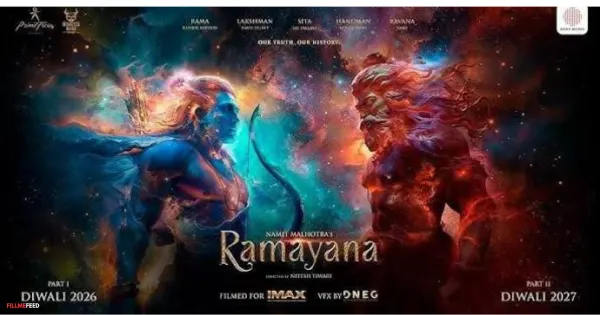
Ramayana : A New Era of Mythological Cinema
Indian mythology has always inspired filmmakers, but today’s projects are operating on an entirely different scale. Instead of treating these stories as traditional devotional films, studios are presenting them as large-scale cinematic universes with world-class visual effects, international production values and global marketing campaigns. The success of films rooted in Indian culture has encouraged producers to believe that mythology is no longer a niche genre it has the potential to become India’s answer to fantasy franchises like The Lord of the Rings or Harry Potter.
Ramayana Is Leading the Charge
No film represents this shift better than Ramayana.
With a massive production scale, cutting-edge VFX and a cast led by Ranbir Kapoor, the film has already generated enormous excitement. Its presentation at San Diego Comic-Con 2026 marked a historic moment for Indian cinema, placing an Indian mythological epic alongside some of Hollywood’s biggest franchises.
Rather than marketing itself only to Indian audiences, Ramayana is positioning itself as a global cinematic event. That strategy reflects Bollywood’s growing confidence that stories rooted in Indian culture can travel beyond borders when presented with world-class filmmaking.
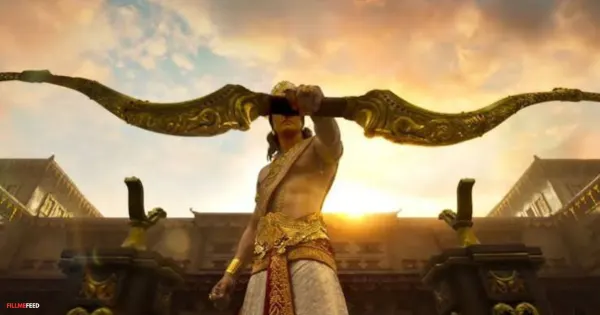
More Than Just One Film
While Ramayana may be the biggest headline, it is part of a much larger trend.
Projects inspired by Indian mythology, folklore and historical legends are steadily entering production across the industry. Animated features, live-action epics and franchise-driven storytelling are becoming increasingly common as studios look to build long-term intellectual properties instead of standalone films.
The appeal is simple: mythology offers timeless characters, emotionally rich narratives and expansive worlds that can support multiple films, spin-offs and even streaming series.
Why Audiences Are Embracing Mythological Stories Again
One reason for this shift is changing audience preferences. After years of remakes and formulaic commercial films, viewers are looking for stories that feel fresh yet familiar. Indian mythology offers exactly that. These stories carry cultural significance while also featuring universal themes such as family, sacrifice, courage, duty and the battle between good and evil. At the same time, younger audiences have shown a growing interest in rediscovering ancient Indian stories through modern filmmaking. Social media discussions, graphic novels, gaming and animation have also contributed to making mythology more accessible to a new generation.
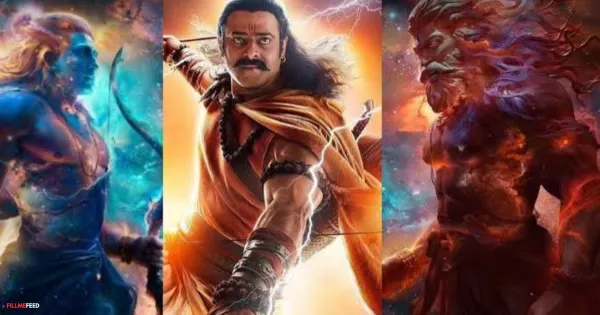
Learning From Adipurush
The renewed confidence in mythology also comes with an important lesson. When Adipurush released, it faced criticism for its visual effects, dialogues and creative choices despite being based on one of India’s most revered epics. The response highlighted that audiences expect authenticity and quality when adapting sacred stories. The new wave of mythological films appears to have learned from those mistakes. Greater emphasis is being placed on detailed research, stronger writing, improved visual effects and respectful storytelling. Rather than rushing productions, filmmakers are investing more time and resources to ensure these stories receive the scale and treatment they deserve.
Technology Is Making the Impossible Possible
Modern filmmaking technology has also played a crucial role in mythology’s resurgence. Advances in CGI, virtual production, motion capture and AI-assisted visual effects now allow filmmakers to recreate grand kingdoms, celestial battles and legendary characters with a level of realism that was difficult to achieve just a decade ago. This technological evolution means filmmakers no longer have to compromise on scale, enabling Indian epics to compete visually with major international productions.
Can Mythology Become Bollywood’s Biggest Franchise Genre?
Perhaps the biggest reason behind mythology’s rise is its long-term potential.Unlike standalone commercial films, mythological stories offer interconnected worlds filled with iconic characters and countless narratives waiting to be explored. Studios are increasingly viewing these stories as franchise opportunities capable of expanding into sequels, prequels, spin-offs and digital content. If executed successfully, mythology could become for Bollywood what superhero films became for Hollywood a genre capable of attracting audiences across generations and international markets.
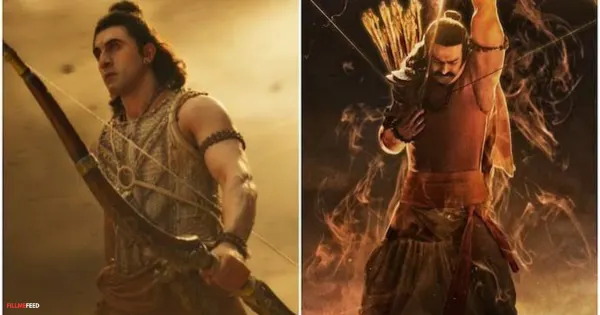
The Road Ahead
The success or failure of upcoming mythological films will shape Bollywood’s future for years to come. If projects like Ramayana deliver on their promise, they could encourage even more studios to invest in culturally rooted stories with global appeal. More importantly, they could redefine how Indian cinema is perceived around the world not merely as an industry that follows global trends, but as one capable of creating its own cinematic spectacles based on stories that have inspired generations. In 2026, mythology is no longer just a genre. It has become Bollywood’s biggest creative ambition, blending India’s timeless heritage with modern filmmaking to tell stories that audiences at home and abroad are eager to experience.



Pingback: 10 Iconic Filmi Pets We Still Love Today -