
When it comes to improving your health, the most powerful change often begins with what you put on your plate. But with so much information online, it’s easy to feel overwhelmed. That’s why this Beginner-Friendly Healthy Eating Guide is designed to simplify the process. Whether you’re health-conscious, trying to eat better, or simply curious about what goes into your meals, this guide breaks everything down into easy, practical steps you can start using today.
Healthy eating doesn’t have to mean dieting, restricting, or giving up your favorite foods. Instead, it’s about understanding your body’s needs, choosing better ingredients, and creating habits you can stick with long-term. Let’s dive into the essentials.
Start With the Basics: What Healthy Eating Really Means
A true Healthy eating guide begins with balance. It’s not about cutting out entire food groups but about giving your body the right fuel. Balanced meals typically include:
- Whole grains such as brown rice, oats, and millets.
- Lean proteins like eggs, fish, chicken, tofu, or lentils.
- Healthy fats from nuts, seeds, avocados, and olive oil.
Colorful vegetables and fruits for vitamins, minerals, and fiber.
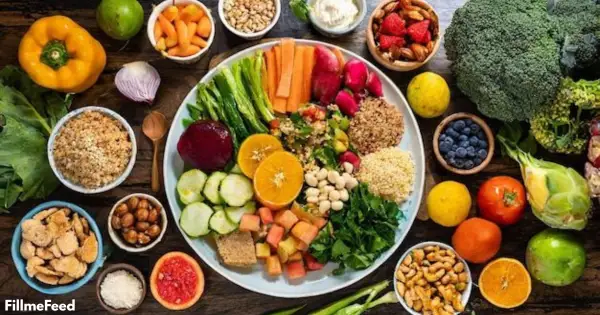
The goal is to nourish your body, improve energy levels, and support overall wellness, not to follow strict diet rules.
Eat More Whole Foods and Fewer Processed Items
One of the simplest pieces of advice in any Healthy eating guide is to choose whole foods over processed ones. Whole foods are fresh, natural, and free from unnecessary additives. Processed foods, on the other hand, often contain excess salt, sugar, and unhealthy fats.
Swap packaged snacks for nuts, fruits, or homemade alternatives. Replace refined flour with whole grains. These small changes add up and make a huge difference over time.

Build a Balanced Plate Every Time
A balanced plate is a visual way to maintain nutrition without stress. Try this simple formula:
- ½ of your plate: vegetables or fruits
- ¼ of your plate: lean protein
- ¼ of your plate: whole grains or complex carbs
This method helps control portion sizes and ensures your body gets all the essential nutrients.

Plan Your Meals Ahead of Time
Meal planning is not about being perfect; it’s about being prepared. When you plan your meals, you are more likely to eat nutritious food instead of grabbing something unhealthy out of convenience.
Start small by preparing breakfast or lunch for the next day. This habit supports consistency, which is the foundation of every successful Healthy eating guide.

Practice Mindful Eating Instead of Emotional Eating
Many people eat when they are stressed, tired, or bored. Mindful eating helps you connect with your food and your hunger signals. Here’s how to practice it:
- Eat slowly and savor each bite
- Avoid distractions like phones or TV
- Stop when you feel satisfied, not overly full
Mindful eating helps prevent overeating and builds a healthier relationship with food.
Focus on Progress, Not Perfection
Healthy eating isn’t a one-day achievement—it’s a journey. Don’t stress if you have a busy week or indulge in something sweet. What matters is returning to your routine and making consistent choices.
A Healthy eating guide should encourage flexibility. You don’t need to give up your favorite foods; you simply need to balance them with nutrient-rich options.
Final Thoughts
Beginning your health journey doesn’t need to feel complicated. This beginner-friendly Healthy eating guide gives you the foundation to make smarter choices every day. Focus on whole foods, balanced meals, hydration, and mindful habits. Over time, these small steps lead to long-lasting wellness, better energy, and a healthier lifestyle.
Remember, your relationship with food shapes your relationship with your body. Treat both with care, patience, and positivity—and your health will naturally follow.