In 2026, the global creator economy has matured into a $254 billion industry. But as the landscape shifts from “mass reach” to “niche authority,” a vital question emerges: Is traditional stardom still the ultimate goal, or has it become a relic of a bygone media era?
The Decentralization of Fame
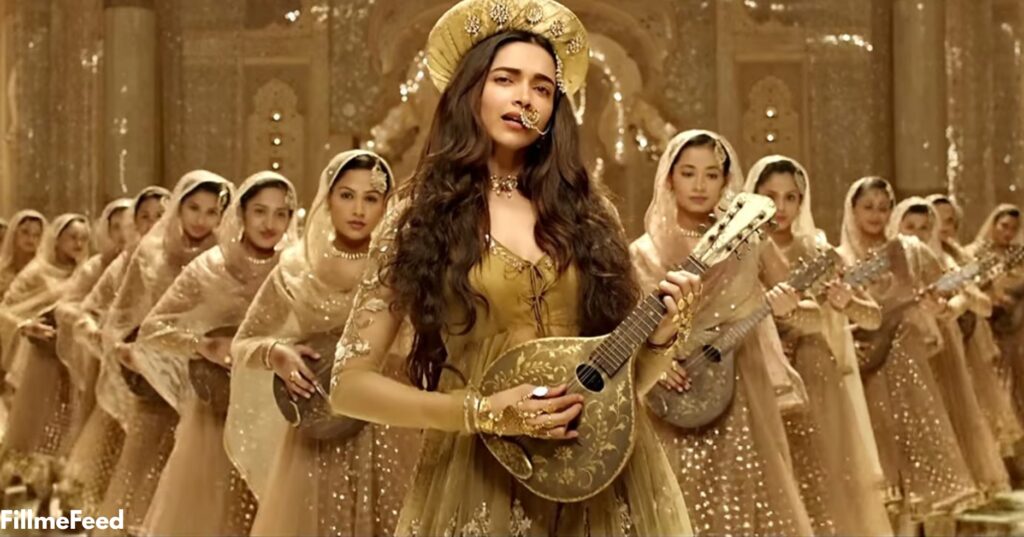
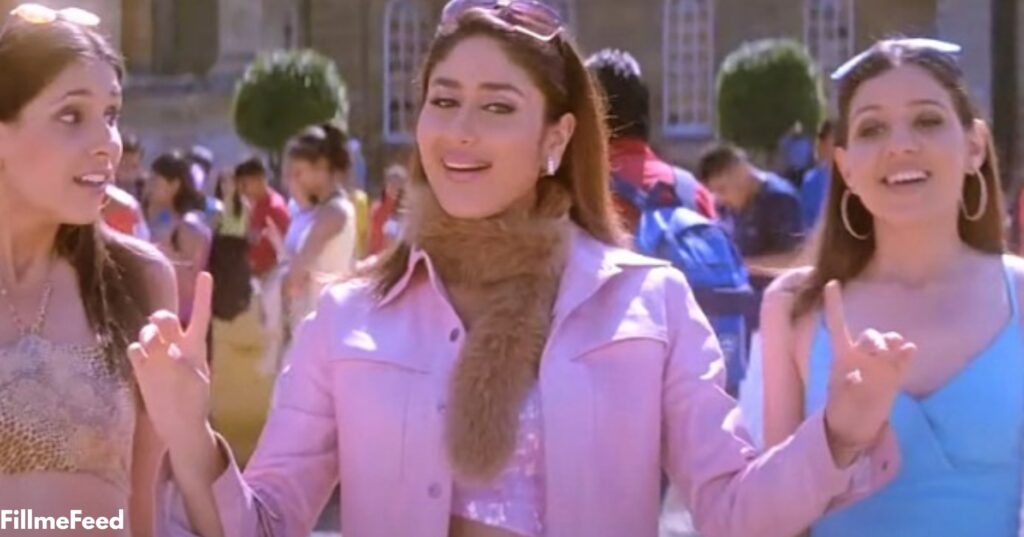
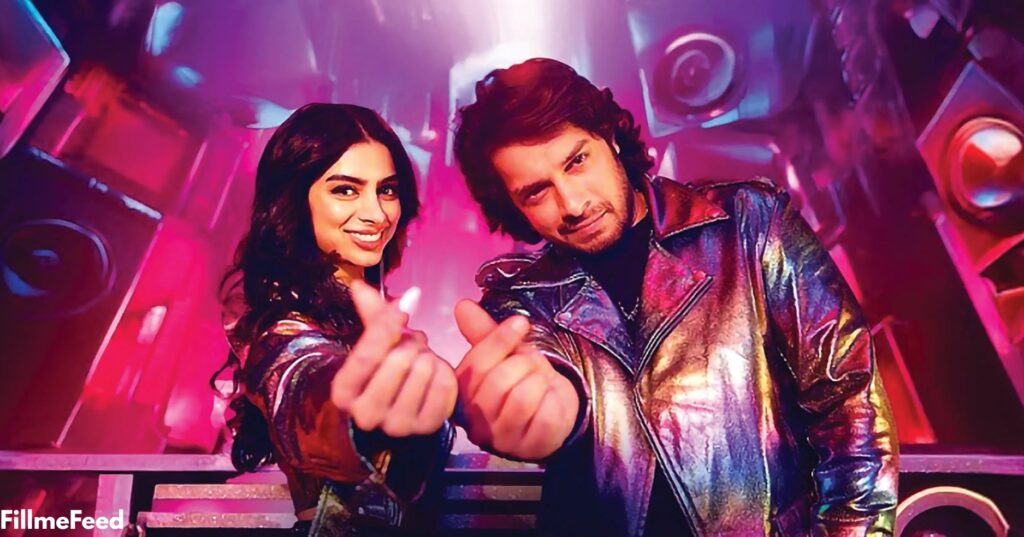
In the past, stardom was a gate-kept commodity. You needed a studio, a record label, or a network to tell the world you were a star. Today, the creator economy has effectively “democratized” fame. We now live in an era of micro-stardom, where a creator with 50,000 dedicated followers in a specific niche like sustainable DIY or AI ethics can wield more commercial power than a Hollywood A-lister.
According to recent 2026 marketing data, 70% of brands now prioritize micro-influencers over celebrities. The reason? Authenticity. While a global icon offers massive reach, they often lack the “skin in the game” that modern audiences crave.

Why Stardom Still Matters (With a Twist)
Does this mean stardom is dead? Not quite. Instead, it has evolved into a “top-of-funnel” asset. Traditional stardom provides instant visibility and cultural “buzz,” which is essential for launching new products in saturated markets. However, the role of stardom has shifted from being the seller to being the performance asset.
For a brand to succeed in 2026, they use stardom to grab attention but relies on creators to build trust. We see this in “Hybrid Stardom,” where actors and athletes adopt creator-style transparency to remain relevant. They are no longer distant icons; they are active participants in the community.
The ROI of Trust vs. The ROI of Reach
The creator economy has introduced a new metric: Earned Media Value (EMV). In 2026, brands are seeing an average EMV of $6.50 for every $1 spent on creators. Traditional stardom, while still prestigious, often struggles to match the conversion rates of niche creators who act as “community leaders.”
The Future: Human Stardom in an AI World
As AI-generated influencers and synthetic media flood our feeds, the value of “Ultra-Human” stardom is skyrocketing. People are willing to pay a premium for real human stories, flaws, and unpredictability.While the “one-size-fits-all” celebrity is fading, the need for stardom as a beacon of human connection remains. In the creator economy, you don’t just achieve stardom, you maintain it through a continuous, honest relationship with your audience.