There was a time when the internet did not “know” us. It did not finish our sentences, sell us therapy, or remind us of a kurti we glanced at once in 2018. It simply… waited. Patiently. Like a cyber café owner in a plastic chair, fanning himself under a humming tube light.
Welcome to the internet before algorithms, when going online felt less like entering a surveillance mall and more like stumbling into a chaotic, delightful bazaar.
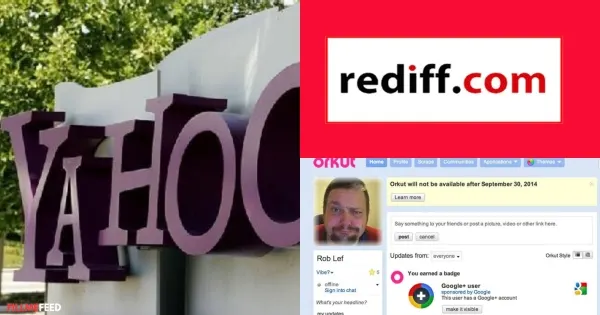
In those days, logging in was an event. The shrill song of dial-up was our national anthem. If someone picked up the landline, your digital life collapsed. Romance was fragile like that. Take Yahoo! Chat, for instance. It wasn’t a ‘platform.’ It was a social experiment. You entered chat rooms named “India Friendship” or “Kolkata Masti,” armed with nothing but an embarrassing username like cool_dude_420. You didn’t have profile pictures; you had mystery. You didn’t swipe; you typed “asl?” and waited like it was a visa interview.
Then came Orkut, the sacred scrapbook of our adolescence. Testimonials were public declarations of loyalty. “…………. is a very sweet person and a good friend” was practically a character certificate. You could rank your friends. Imagine the audacity today. Your crush lived in your “Crush List,” and your enemies were demoted silently. Communities like “I Hate Maths” or “Rajma Chawal Lovers” united the nation long before hashtags tried.
Festivals were incomplete without 123Greetings. Animated roses, glitter fonts, and MIDI music declared your affection with all the subtlety of a wedding band. If someone sent you a Diwali e-card at 12:01 AM, you knew you mattered. It took effort. It took intention. It took patience for the page to load.
Indian portals like Sify and Rediff.com were our digital newspapers, gossip columns, cricket scoreboards, and agony aunts rolled into one. Rediff’s comment sections were the original Twitter wars, unfiltered, passionate, occasionally unhinged. Sify chat rooms were where friendships brewed over painfully slow connections and even slower typing speeds.
We downloaded songs from Indiatimes, songs.pk and checked exam results on clunky university websites that crashed under collective anxiety, and forwarded chain mails promising good luck or imminent doom.
We played Flash games on Miniclip and customized our desktops with suspicious wallpapers from random sites that probably gave the family computer three new viruses. The beauty of it all? Discovery was accidental. You found websites because a friend scribbled them on the last page of your notebook. Virality meant someone physically telling you, “Arre, check this site!”
There were no creators strategizing hooks. No one optimized nostalgia for engagement. We wrote blogs on Blogger like secret diaries, not content calendars. We refreshed pages not for dopamine, but because the page genuinely hadn’t loaded yet.
Life before algorithms was slower, messier, and infinitely more surprising. The internet did not curate your desires; you wandered into them. It did not mirror your biases; it challenged them in poorly spelled chat messages. It was not efficient; it was alive.
And perhaps that’s why we remember it not as a tool, but as a feeling.
What is happening now because of the algorithm?
We can see that now the parents are encouraging the children to make content on social media platforms. Now, kids are getting their own phone before even making it into college or passing their 10th exams. Also, because of these Content creation children are leaning more towards getting more likes and reach. Now, these things have become their day-to-day routine, and in some content they got less views, they got upset or became depressed.
Let us know your take on this, we might create part 2!