Once upon a time, therapy was expensive, but Old TV shows were not. Long before Instagram therapists, self-help reels, and ‘protect your energy’ quotes, we had something far more powerful – 90s & early 2000s television.
Our emotional intelligence didn’t come from podcasts; it came from dramatic zoom-ins, background violins, canned laughter, and monologues delivered with suspiciously perfect lighting.
Let’s be honest, we weren’t just watching TV. We were being emotionally raised by it.
Friendships That Taught Us How To Feel, Friends & Hip Hip Hurray
If adulthood had a manual, Friends was it. Six dysfunctional humans teaching us how to fight without ending friendships. How love is messy, confusing, and occasionally involves yelling “WE WERE ON A BREAK!” How a chosen family is sometimes stronger than biological chaos. Every awkward apology, every heartbreak, every ridiculous misunderstanding – emotional education disguised as comedy.
On the Indian side, Hip Hip Hurray quietly did the same. No over-the-top drama, just real teenage anxieties, peer pressure (before the words became clìched), first crushes, identity confusions, and friendship politics. It understood teenage emotions without treating them like a national emergency.
Family Dynamics & Emotional Drama, Full House & Kyunki Saas Bhi Kabhi Bahu Thi
Full House gave us warm hugs wrapped in life lessons. Every episode was basically, ‘Kids mess up → gentle music → heart-to-heart talk → emotional growth.’ It taught patience, empathy, forgiveness, the OG soft skills syllabus, but on the TV.
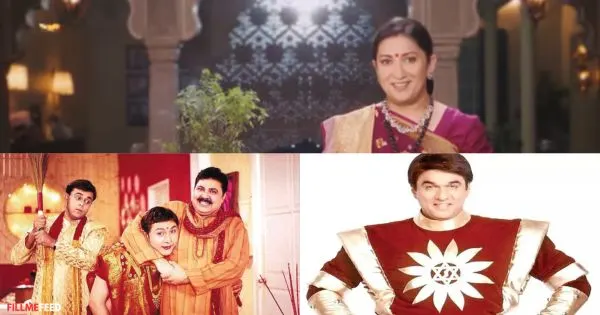
Meanwhile, Indian households were emotionally surviving Kyunki Saas Bhi Kabhi Bahu Thi. Sure, it had dramatic rebirths and suspiciously immortal characters (of course, we still find it cringe), but beneath the theatrics, loyalty, betrayal, forgiveness, and complex family relationships shaped a big part of the sanskari millennials. Tulsi crying became our cardio. But it also taught us emotional endurance. No one processed grief like Indian serial characters.
Vulnerability & Growing Up, The Wonder Years & Shaktimaan
The Wonder Years was emotional introspection before journaling became trendy. Kevin Arnold’s narration taught us that feelings are confusing, growing up is weird, and nostalgia hurts in a strangely beautiful way. It gave us emotional reflection, a rare gift.
And then came Shaktimaan, India’s OG moral compass in spandex. Yes, superhero, but also some honesty, responsibility, consequences of choices, and a major “Galtiyaan insaan se hoti hain” wisdom. Shaktimaan didn’t just fight villains; he fought our poor decision-making skills (where we are still failing, I guess).
Handling Conflict & Chaos, Everybody Loves Raymond & Sarabhai vs Sarabhai
Everybody Loves Raymond taught us something vital: Conflict ≠ End of Love. Marriage, family irritation, and passive-aggressive warfare all stand as normal.
Emotional intelligence via sarcasm is what Indian Television brought. Sarabhai vs Sarabhai arrived like elite comedic therapy (and still serves the purpose for those who can buy 10 pizzas, but can’t afford therapy). Old TV Shows: Generational differences, ego clashes, insecurity, class satire, all delivered with wit sharp enough to slice family tension. Indravadan Sarabhai taught us emotional survival through humour. A national service (still performing better than your SIP)
Without saying ‘emotional intelligence’, these shows trained us in empathy, conflict resolution, vulnerability, patience, resilience, and the art of laughing at life’s absurdity
They didn’t preach. They performed emotions loudly until we understood them.
Today, we binge-watch content. Back then, content binge-watched us into better humans.
Because if the 90s taught us anything, it’s this:
Feel everything. Overreact occasionally. Forgive dramatically. And always respect the background music of your emotions.