Did you ever catch yourself scrolling at 2 a.m., eyes burning, and suddenly thought, “Maybe I should just delete everything, move to a cottage, and start making bread?” Because, same. And that feeling is exactly why being “offline” has become the hottest personality trait. What we’re really experiencing isn’t just boredom or trend fatigue — it’s digital burnout. If you’re the person who goes on holiday, deletes Instagram for a week, and returns saying, “I’ve never felt so at peace,” you’re not unique; you’re just very on-trend.
Being offline is trending in a way that being hyper-online once did. We’ve moved from worshipping hustle culture, productivity apps, and 10-step morning routines to glorifying digital detoxes, screen-time screenshots, and minimalist lock screens. People call it analogue living, digital minimalism, slow living, or proudly being “chronically offline.” But really, it just means: I’m tired of the algorithm, and I want my brain back.
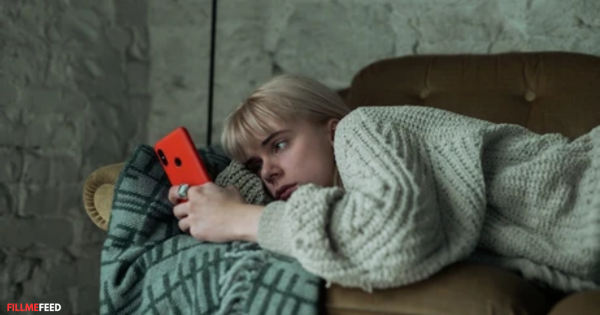
Is this just digital burnout?
A big reason people romanticise being offline is that social media is exhausting. Places that once felt fun now feel like overcrowded shopping malls where everyone is selling a lifestyle, personality, or version of success you didn’t ask for. We open Instagram to relax and end up questioning our career, our body, our relationships, and why we’re not in Bali at 23.
Instagram tells you you’re behind. LinkedIn tells you you’re not productive enough. Pinterest tells you your bedroom isn’t aesthetic. By the end of it, your brain is cooked. So, wanting to log off doesn’t feel dramatic anymore; it feels like a matter of survival.
There’s also a status element. Being able to go offline is slowly becoming a privilege. If you can afford to take breaks from social media, not post your every move, and not hustle for visibility, people assume you’re stable, secure, and “unbothered.” You’re not chasing likes or brand deals — you’re “above” it all. The offline lifestyle has somehow become the new cool aesthetic.
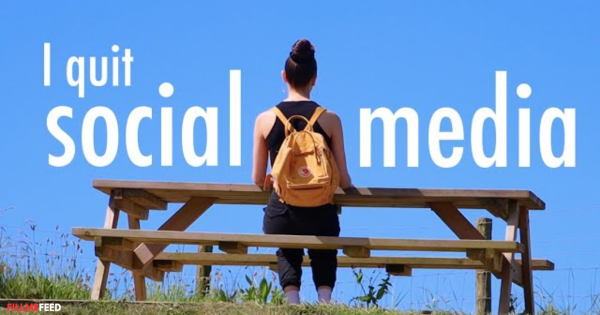
The Influencer Irony (Make It Make Sense)
Many people genuinely feel calmer without social media — less anxious, more present, more like themselves. I get that; I’ve felt it too. But here’s the ironic part: influencers constantly post about how freeing it is to quit social media… on social media.
“I quit social media, and it changed my life,” they say in a perfectly lit Reel. You have to laugh. Are they really unplugging, or just packaging the idea of unplugging?
Some people truly leave social media and live quieter, happier lives — and good for them. But for most of us, going fully offline isn’t realistic. Our work, friendships, and daily lives exist online. The internet isn’t all bad — it can be funny, creative, comforting, and even life-changing.
Extremely Online vs Extremely Offline
I don’t think being extremely offline is better than being extremely online. Both can be unhealthy. Too much online makes you anxious. Being offline can make you disconnected. The real goal isn’t deleting apps — it’s learning to use them without losing yourself.
Scroll when you want. Log off when you need. Laugh at memes. Touch grass. Post if you feel like it. Ghost the apps if they drain you. It’s not that deep.
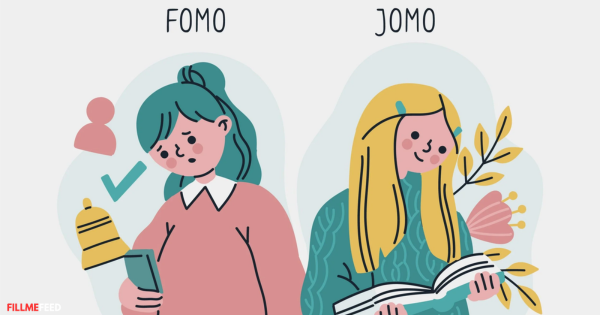
Why Are We Romanticising Everything?
What confuses me more than the offline trend is how we’ve started romanticising everything. Burnout is aesthetic. Struggling is poetic. Crying in cafés is content. Even basic things — walking, journaling, drinking black coffee, reading — are branded as dreamy lifestyles.
Maybe we romanticise ordinary life because the world feels chaotic. Maybe making small moments feel beautiful helps us cope. Or maybe we’re just addicted to trends.
At the end of the day, the most romantic thing isn’t deleting your apps or becoming a digital minimalist monk. It’s simply being present in your own life — online or offline. Because what we really need is balance. And honestly, maybe addressing our digital burnout instead of aestheticising it is the real reset.