Occasionally, Bollywood brings out the same movie but with a different cast. However, in this case, the movie is not presented in theatres but on social media platforms. A fashionable song receives some attention. The camera focuses on the actress for a little too long, the lyrics of the song carry some hidden meaning, some sensational choreography is added for the viewers to start a vague discussion about the message of the song, and the audience falls for the promotional plan once more. Consequently, the song gets noticed, many reels appear on Instagram, lots of views are gained, and everyone concerns themselves with another triumph of marketing. However, in a day’s time, the situation has changed. The same people who enjoyed the song started raising the question about “Indian culture.” There is a lot going on in the TV discussions about morality. The representatives of social media call themselves the champions of decency. However, the sad thing is that although there are a lot of loud protests, no one seems to care about the people that put the project together. Is Bollywood Objectifies Women ?
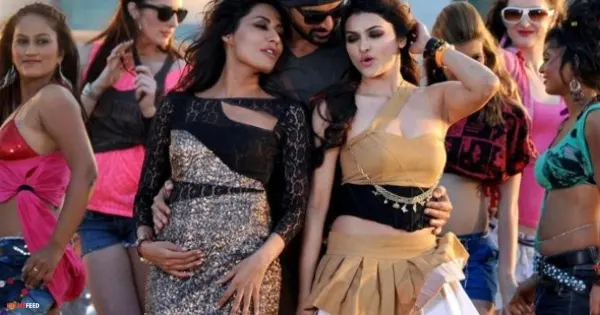
That has become Bollywood’s biggest double standard. The industry continues objectifying women because it knows it sells, but when criticism arrives, the women standing in front of the camera are left to carry the burden while everyone else walks away untouched.
The Nora Fatehi Controversy Was About More Than One Song
The backlash against Nora Fatehi and Sanjay Dutt’s “Sarke Chunar” from KD: The Devil exposed this pattern perfectly. The song drew criticism over its sexually suggestive lyrics and visuals, prompting complaints and eventually leading to the Hindi version being removed from digital platforms. Reports also noted scrutiny over concerns that the song objectified women.
But somewhere during the outrage, the internet collectively forgot one tiny detail.
Songs don’t write themselves.
Nora Fatehi did not write the lyrics. She didn’t approve the screenplay. She didn’t decide the camera angles or edit the final cut. Yet, judging by social media, one would think she single-handedly planned the entire project while everyone else in the credits was on vacation.

Ironically, Nora later said she had raised concerns about the Hindi version and hadn’t approved the controversial edit before its release. Whether one believes her explanation or not misses the larger point. If a song is problematic, why does the interrogation stop at the actress? Why don’t lyricists, producers and directors face the same level of public scrutiny?
Because blaming Bollywood Objectifies Women is easier than questioning.
Kiara Advani, Toxic And Internet Selective Morality
The Nora Fatehi incident indicated a certain streak in Bollywood, but then came the reaction to Kiara Advani’s from Toxic that revealed ours. Instead of discussing Kiara’s performance, a section of social media thought it would be best to talk about her marriage. A totally fictitious story about whether she is a ‘faithful wife’ to Siddharth Malhotra started circulating. Forget about the fact that she was acting in a movie, that was not important when the outrage was getting spread.
It was actor Benedict Garrett who came out to criticize the trolls and remind them that actors are professionals who perform their jobs rather than putting their personal lives on display.
Now for the interesting part.
Yash is married.
Yash is a father.
Did anyone ask whether he is being a good husband?

Did anyone question his family?
No.
When male married actors perform love scenes, everybody calls it ‘dedication’, when a married actress does the same, suddenly the internet turns into a family court.
Maybe Audience Also Needs Some Lecture Too
Bollywood is not above criticism, but an audience must not behave like passive observers. People who criticize “dirty songs” often dance to them in their Instagram Reels as well. Arriving on social media and racking up thousands of views create a contradiction and sound pretty hypocritical. No wonder we blame the algorithm for terrible content.
As long as Bollywood objectifies women, it is going to make money. But one should at least make it clear who truly makes these decisions.
Otherwise, the industry will make money selling women as goods and, when payment is due, actresses will be the only people responsible for the bill.