I still remember the exact moment a mustache-twirling villain stopped scaring me. I was flipping channels on a lazy Sunday, landed on some old thriller, and watched a man in a black coat cackle for no real reason before getting shot in the last reel. It felt like watching a cartoon. Somewhere around the same year, I caught Darr on television, and Shah Rukh Khan’s Rahul made my skin crawl in a completely different way. Not because he was loud or evil looking, but because he felt like someone you might actually meet at a wedding.
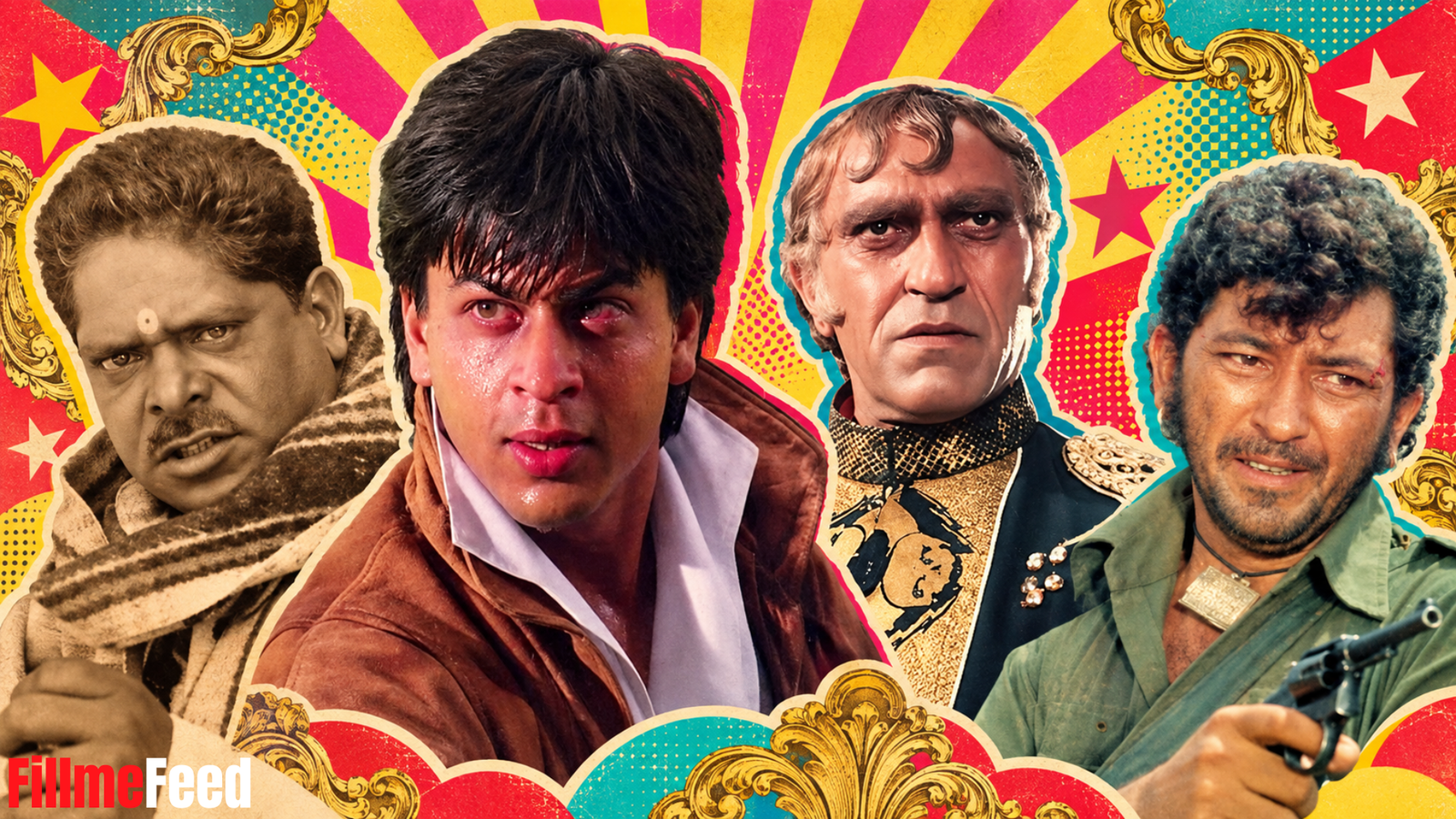
That’s the shift this piece is about. Bollywood villains used to be built like Diwali effigies, stuffed with straw and set on fire for effect. Somewhere along the way, writers got curious about what was actually happening inside these men and women, and the genre got a lot more uncomfortable to sit through. This isn’t a ranking of the scariest antagonists or the ones with the best background score. It’s a look at five characters who weren’t cruel for the sake of it, whose damage came from somewhere specific: trauma, neglect, class humiliation, a system that failed them long before they failed anyone else. None of this excuses what they did. It just makes the story harder to look away from, and honestly, a lot more interesting to sit with than another cackling caricature.
Hindi cinema didn’t wake up one morning and decide to psychoanalyze its bad guys. It happened gradually, film by film, as writers realized audiences were bored of villains who existed purely to lose. Bollywood villains written this way needed a real backstory instead of a checklist of evil traits, and that shift changed what the genre could get away with for good. What follows are five of the clearer examples of it, and what their damage actually looked like once you stop treating them as plot devices.
Rahul Mehra Wasn’t a Stalker, He Was a Diagnosis Nobody Made
Pop culture flattened Rahul into a punchline eventually, the obsessive ex, the guy who carved a K into his chest. Watch Darr again as an adult and the character reads very differently. Yash Chopra and the writers gave Rahul a childhood shaped by early loss and a home where affection was rationed rather than given freely. That kind of upbringing teaches a person that love has to be earned through control, because nobody ever showed him it could just exist on its own.
Clinically, his behavior lines up with erotomania, sometimes called de Clerambault’s syndrome, where a person becomes convinced someone else is secretly in love with them, regardless of what reality keeps telling them. Add arrested emotional development to that foundation and his fixation on Kiran stops looking like garden variety jealousy. It starts looking like a man trying to survive inside a delusion because the real world never offered him anything safe to hold onto. Very few Bollywood villains from that decade got written with this much clinical texture underneath the menace.
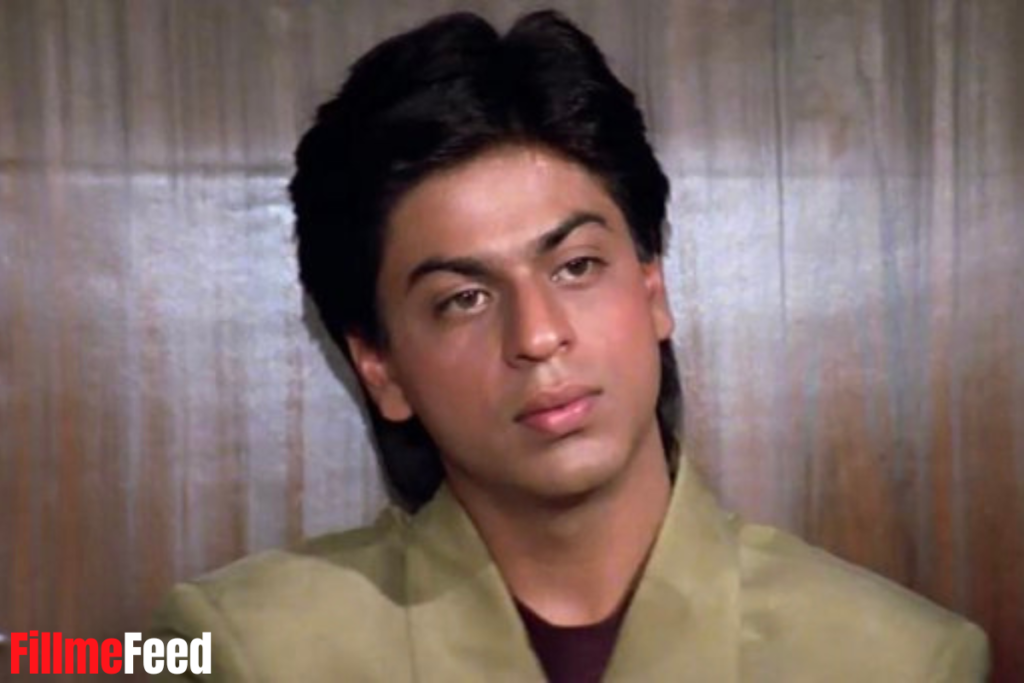
I don’t think the film asks us to forgive him. I think it asks us to notice that nobody around Rahul ever intervened. He stammers, he isolates, he keeps a shrine in his room, and every adult in his orbit either ignores it or quietly enables it. He wasn’t born a stalker. He was raised into someone who mistook obsession for the only kind of love he understood, and by the time anyone noticed, the delusion had already hardened into his entire personality.
Also Read: SRK: The Last of the Stars
Raghu and the Slow Death of an Honest Man
Vaastav opens with a man selling pav bhaji off a cart, trying to build something ordinary, and that detail matters more than most people give it credit for. Raghu isn’t chasing power when the film starts. He’s chasing rent money and a decent life. The underworld doesn’t tempt him so much as corner him, one bad night, one act of self defense, one corrupt cop looking the other way at exactly the wrong moment.
What happens to Raghu afterward reads like a slow case study in environmental determinism. Once he crosses that first line, the legitimate world stops trusting him, and the criminal one is the only place still offering him a seat at the table. Sanjay Dutt plays the paranoia and hyper vigilance that follow almost like a physical illness. Jumpy in quiet rooms. Unable to sit with his back to a door. That’s not swagger. That’s a nervous system stuck permanently in threat mode, reacting to a war most people around him can’t see.
The film’s most gutting scene isn’t a shootout. It’s Raghu, near the end, begging to be freed from what he’s become, half sobbing that he never wanted any of this. This is the kind of vulnerability that Bollywood villains almost never get, and Vaastav spends its entire runtime earning it, the underworld didn’t create Raghu out of nothing. A broken system handed him no other door and then blamed him for walking through the one it left open. Raghu’s tragedy is the system’s tragedy first, and his second.
The Women Cinema Called Obsessive Instead of Broken
The 90s produced a whole run of female antagonists built around unrequited love curdling into something dangerous, and Maya from Chaahat is one of the clearer examples. These characters get labeled obsessive and moved on from quickly, but underneath the label sits something closer to borderline personality traits, an intense fear of abandonment paired with a sense of self that only feels stable when someone else is confirming it exists.
When rejection lands for characters like this, it doesn’t register as disappointment. It registers as a threat to their entire identity. That’s why the response looks disproportionate from the outside, screaming, sabotage, sometimes violence, when to the character it feels like plain survival. Cinema rarely bothers explaining that gap. It just films the aftermath and calls the woman unstable, wraps up the arc, and moves the plot along.
I think this corner of Hindi cinema owes these characters a second look, not sympathy exactly, but context. A person doesn’t wake up one day and decide to destroy someone’s life over love. Something in their history taught them that being left equals disappearing, and that belief doesn’t announce itself with a villain entrance theme. It sits quietly under every scene until it finally erupts, usually at the worst possible moment for everyone involved. These particular Bollywood villains got a death scene and a moral instead of a fair hearing from their own script, which feels like the shallower ending of the two.
Major Shinde and the Discipline That Curdled Into Cruelty
Ghulam gives its real menace not to the street level goons but to Major Sunil Shinde, a man who runs his household like a barracks and treats his family as property rather than people. His cruelty toward Siddharth isn’t chaotic. It’s methodical, which is somehow worse to watch unfold.
Shinde’s psychology reads like a case study in rigid authoritarianism, baked in by years of military conditioning and reinforced by a culture that still equates a man’s honor with total control over his home. He doesn’t see Siddharth as a son with his own mind. He sees a threat to a hierarchy he’s spent his whole life defending. Take away that hierarchy and Shinde has nothing left to define himself by, which is exactly why he defends it with such violence.
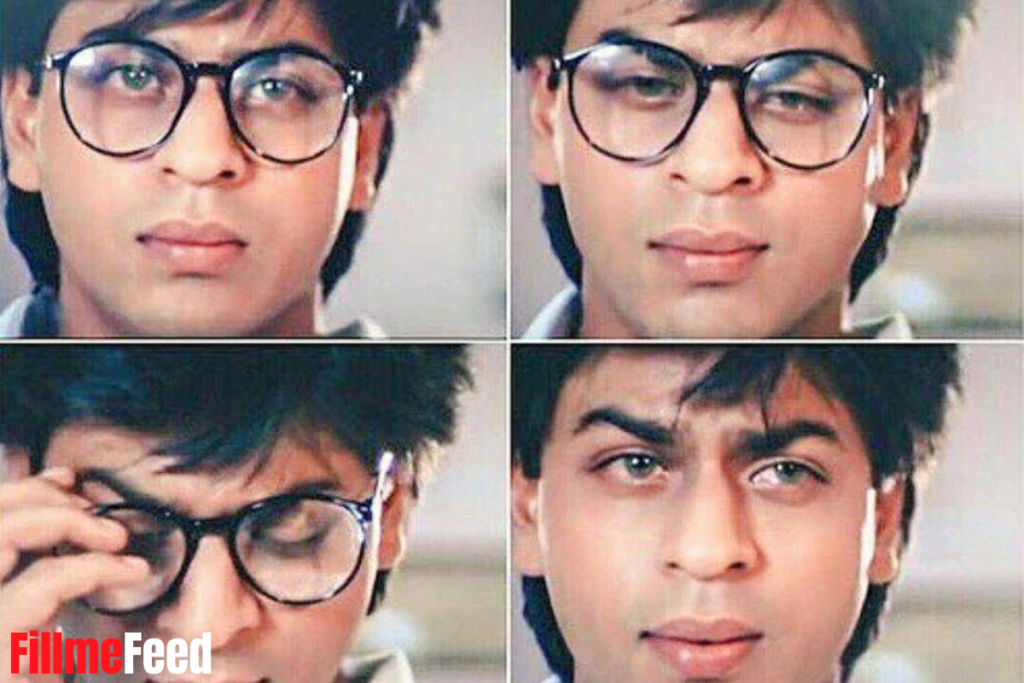
None of that makes him sympathetic the way Rahul or Raghu might be. Shinde had power the entire time and chose brutality with it, again and again, without ever once being forced into it by circumstance. What he represents instead is a warning about what happens when a certain kind of masculinity gets treated as strength for long enough that the man wielding it forgets there’s any other way to hold a family together. Among Bollywood villains driven purely by domestic control rather than crime or heartbreak, Shinde might be the one that ages the worst, precisely because his type never really left Indian households.
Also Read: Why Chatur From 3 Idiots Deserved Better Than a Punchline
Dev’s Wealth Was Never About Money
Dhadkan sets Dev up as the wronged party early, a man from a poor background who loses Anjali to class prejudice dressed up as practicality. Sunil Shetty plays him with a wounded pride that never fully heals, and the film is smart enough to let that wound calcify into something uglier over time rather than resolving it quickly.
What Dev experiences is closer to a narcissistic injury than plain heartbreak. Rejection on the basis of his poverty doesn’t just cost him the woman he loves. It tells him, publicly, that he was never good enough to begin with. His response is to spend the rest of his life proving otherwise through money, status, and eventually control, none of which actually touches the original wound, because the wound was never really about wealth in the first place.
Watching Dhadkan now, Dev’s arc feels less like villainy and more like a slow motion tantrum aimed at an entire class system rather than at Anjali herself. He wanted the world that rejected him to admit it was wrong, and building an empire felt like the only language that world would ever understand or respect. Public humiliation over class isn’t rare outside the theatre either, which is probably why Dev reads as one of the more recognisable Bollywood villains on this list despite never firing a single shot.
Why This Shift in Writing Actually Matters
Somewhere in the late 80s and through the 90s, Hindi cinema started treating psychology as a writing tool instead of a footnote. It wasn’t a single director’s idea or one studio’s gamble. Writers across different films kept circling the same instinct, that audiences would sit through more discomfort if the discomfort felt earned. Villains built purely on menace can still work in a masala film built for spectacle, and there’s nothing wrong with that kind of entertainment either. But the five men and women covered here belong to a different lineage, one where the writing room clearly asked why before it asked what.
That question changes everything downstream. A screenwriter chasing why has to build a childhood, a rejection, a system failure, something specific enough to hang an entire arc on. It’s a slower, harder way to write a villain, and it shows in how these characters have aged. Nobody quotes Khilji’s motivations at dinner the way people still argue about Rahul’s. This is the actual dividing line among Bollywood villains from this era, whether the writing bothered to ask where the damage came from or just needed a body for the hero to defeat by the end.
What These Five Characters Actually Have in Common
Line these five up and a pattern shows up fast. None of them started out as monsters. Rahul lost the ability to trust affection before he ever met Kiran. Raghu lost his footing in a system built to keep men like him powerless. The women written off as obsessive lost a stable sense of self somewhere long before the plot even began. Shinde lost the ability to see his family as anything but an extension of his own ego. Dev lost his dignity in public and spent a lifetime trying to buy it back at any cost.
This is what separates genuinely interesting Bollywood villains from the cackling ones I grew up half laughing at on lazy Sunday afternoons. Khilji or Shakaal exist because a story needs an obstacle, and that’s a perfectly fine job for a character to do. Rahul, Raghu, Shinde, Dev, and characters like Maya exist because a story wanted to ask a harder question: how does ordinary damage turn into extraordinary harm when nobody steps in early enough to stop it.
I’m not arguing any of these characters deserve a pass. Understanding why someone breaks doesn’t erase what they broke on the way down. But writing villains this way forces an audience to sit with something less comfortable than pure evil, the idea that most cruelty has a traceable root. Hindi cinema’s best antagonists work because they hold up a mirror instead of a mask, and that’s a much harder trick to pull off than any mustache twirl ever was.
About FillmeFeed
FillmeFeed is your go-to destination for the latest updates on Bollywood, Hollywood, Anime, Fashion, Lifestyle, OTT releases, Celebrity News, Movie Reviews, and Trending Stories. We bring readers engaging, well-researched, and up-to-date content from the world of entertainment and pop culture.
FillmeFeed is proudly a part of Fillme Networks, a digital media network committed to creating high-quality content across entertainment, lifestyle, technology, and emerging digital trends.