I used to think Devdas was a story about a love that society destroyed. That’s the version everyone grows up with. Two people who loved each other, torn apart by class and family pride, and one of them drinks himself to death because the world wouldn’t let him have her. It’s clean. It’s tragic. It’s also wrong.
The more I sit with Sarat Chandra Chattopadhyay’s 1917 novella, the less I buy the idea that Devdas is a victim of circumstance. He’s a man who had chances. Real ones. And he let every single one slide through his fingers, then spent the rest of his life mourning the thing he refused to grab. That’s not fate. That’s a choice, made over and over.
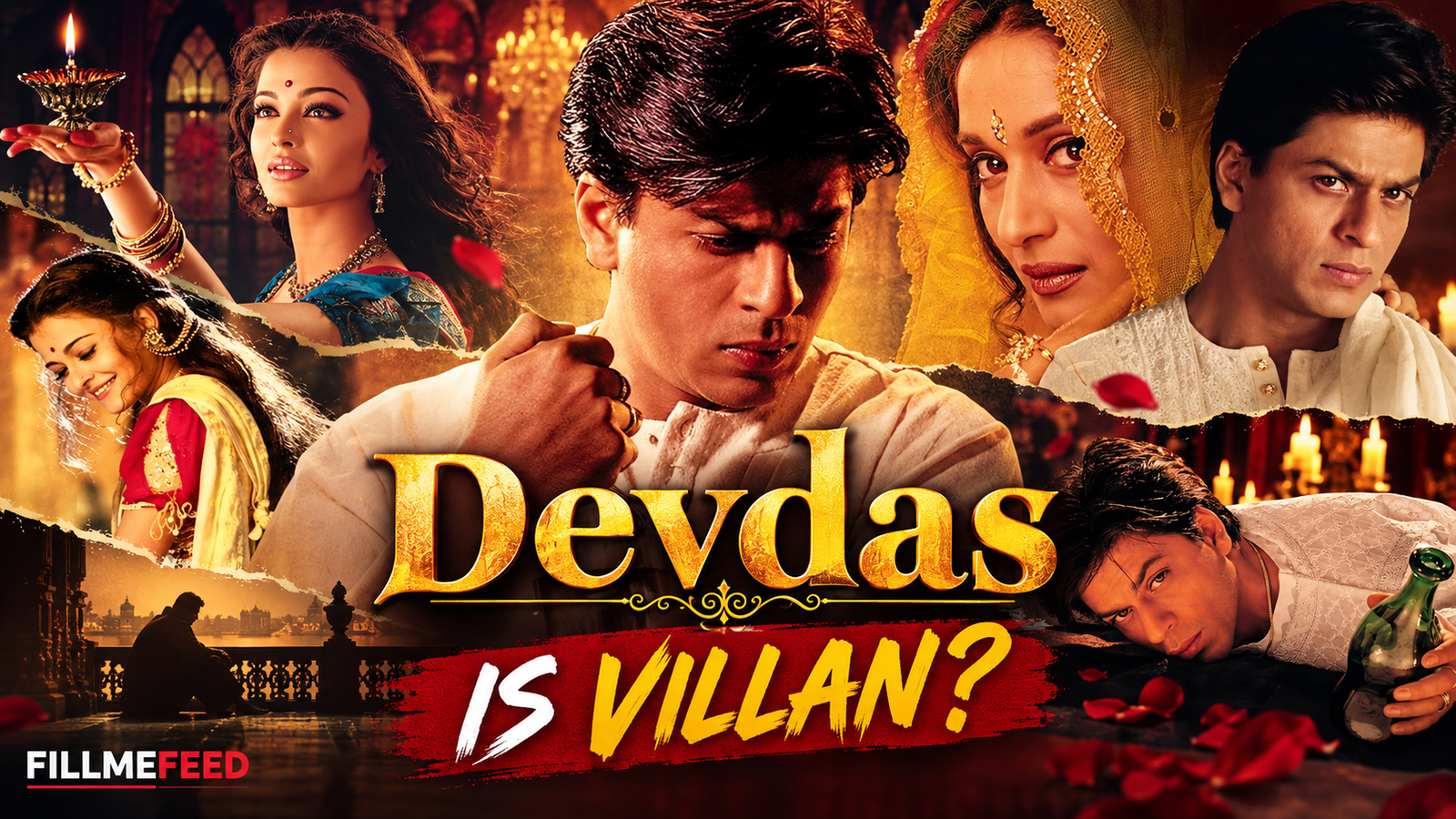
This is where I land on Devdas the villain reading, and I don’t mean it as some contrarian hot take for clicks. I mean it as the more honest way to read a book that’s been softened into a romance for a century. Society built walls around Devdas and Paro, sure. But Devdas is the one who kept walking away from the doors that were still open.
He didn’t lose Paro. He refused her.
Here’s the thing nobody talks about enough. Paro isn’t passive in this story. She proposes, in her own indirect nineteenth century way. She visits him at night, which was an enormous risk for a woman in her position. She gives him every opening a person could give another person short of writing it on a wall.
Devdas hesitates. Then he hesitates again.
When his family rejects the match, does he fight for her? No. He goes back to Calcutta. When she confronts him about his cowardice, does he own it? No, he gets defensive. This is the pattern that makes Devdas the villain framing hold up so well under pressure: it’s not one bad moment, it’s a habit. Feel something big, panic, retreat, and then years later, romanticize the retreat as tragic fate.
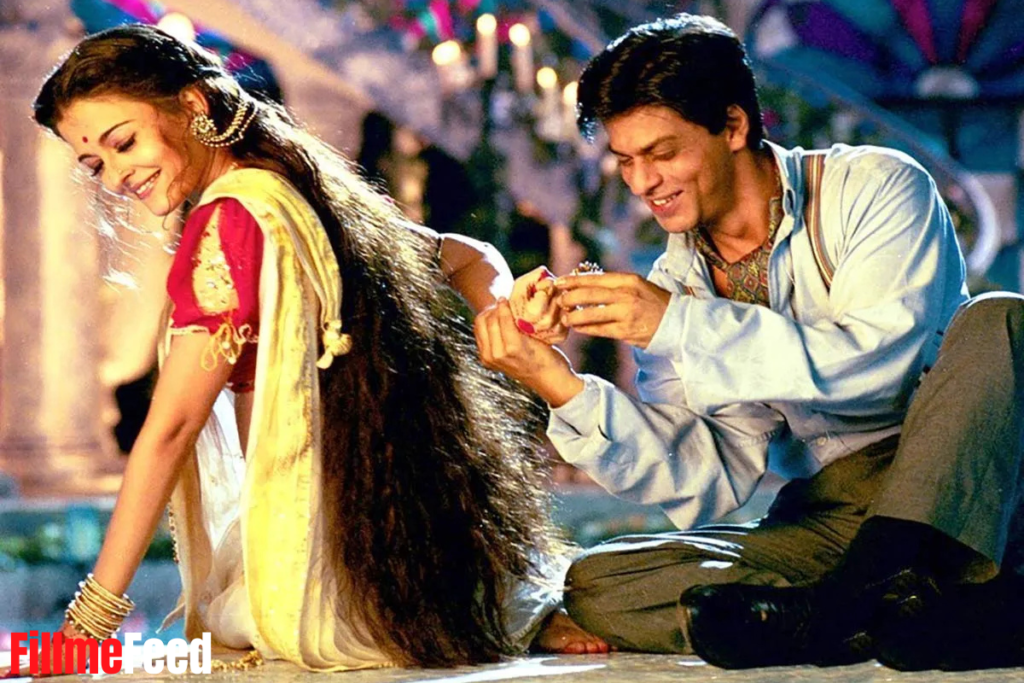
I think this is what gets lost when people call it a love story. Love requires action eventually. At some point you have to show up. Devdas shows up exactly once, and it’s when he’s dying and there’s nothing left to lose by doing it.
He turned heartbreak into a personality
This is the part of the book that actually unsettled me a little. Devdas doesn’t just grieve losing Paro. He builds an entire identity out of it. His suffering stops being something that happened to him and becomes the whole point of who he is.
There’s a difference between “I lost someone I loved” and “I am the man who lost the woman he loved,” and Devdas lives permanently in the second sentence. A 2017 piece in Scroll noted how much of the character’s enduring appeal comes from his passivity, almost a kind of narcissistic self-pity dressed up as poetry.
Once you notice that, you can’t unsee it. Every drink is a performance of loss. Every collapse is staged, even if he’s not consciously staging it. This is where Devdas the villain case gets its teeth, because the damage isn’t only to himself anymore. He needs an audience for his suffering, and the people closest to him become that audience whether they want the role or not.
If Devdas actually got better, what would he even be? Not the tragic lover anymore. Just a guy who made some bad calls in his twenties. Recovery would cost him the only identity he’s built. That’s a genuinely dark thought once you sit with it.
Also Read: Munna Bhai MBBS: The Good-Hearted Goon Problem
The scene with the scar is where it gets ugly
I want to talk about the moment when Devdas hits Paro across the forehead with the head of his cane, because this is the scene that tips the reading of Devdas the villain from “emotionally immature” into something closer to actual harm.
The romantic version of this scene says he “marked her with his love,” and honestly, whoever came up with that framing did Devdas a huge favor. What actually happens is that Paro tells him the truth. She says he’s fickle, that he’s unreliable, that her family was right to look elsewhere. And instead of sitting with that, instead of maybe agreeing with some of it, he reacts with violence.
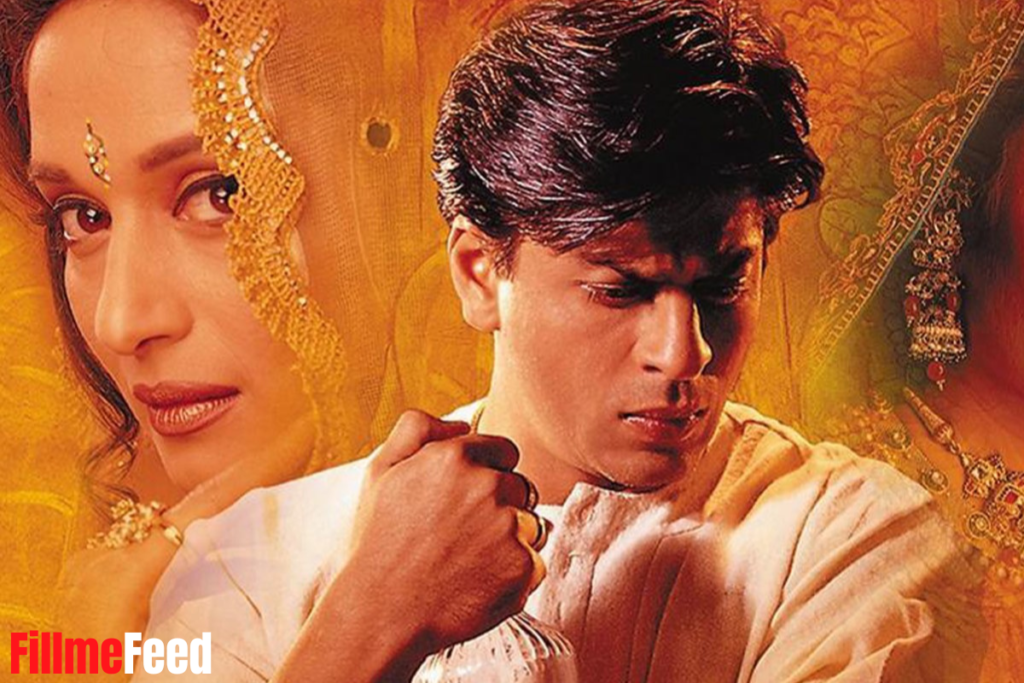
That’s not romance. That’s a man who can’t tolerate being seen clearly, lashing out at the person who saw him. Academic readings of the scene have specifically flagged it as sitting at the intersection of violence and possession, a way of asserting control once emotional control has already slipped away.
I keep coming back to one question. Why do we, as readers, choose to remember that scar as beautiful? What does it say about a whole culture of storytelling that we’d rather call it devotion than call it what it is.
Chandramukhi makes the case against him better than I ever could
If you want the single strongest piece of evidence for Devdas the villain, look at how he treats Chandramukhi and then look at how she responds anyway.
He meets her as a courtesan and judges her instantly for it. He’s cold, he’s dismissive, he treats her profession as a moral failing before he knows anything real about her. And she loves him regardless. She changes her entire life for him. Later, when circumstances force her back into that life, she does what she has to do to survive, without asking him for anything.
At one point in the text, she directly tells him he’s misunderstood what happened between him and Paro, that he’s deceiving himself about the nature of his own love. That’s not a minor line. That’s the woman he looked down on essentially diagnosing him from inside his own story, and being right.
Chandramukhi grows. She adapts, she sacrifices, she understands people better by the end than she did at the start. Devdas doesn’t move an inch. He’s the same avoidant, self-pitying man at the end of the book that he was at the beginning, just drunker and closer to dead.
Paro adapts. Chandramukhi transforms. Devdas destroys himself.
Put the three of them side by side and the picture gets pretty stark.
Paro accepts a marriage she didn’t choose and builds something real inside it anyway. Chandramukhi rebuilds her whole sense of self around a man who barely deserves it, and still comes out the more emotionally honest of the two of them. Devdas takes the exact same category of pain, being denied the life he wanted, and turns it into a slow public suicide.
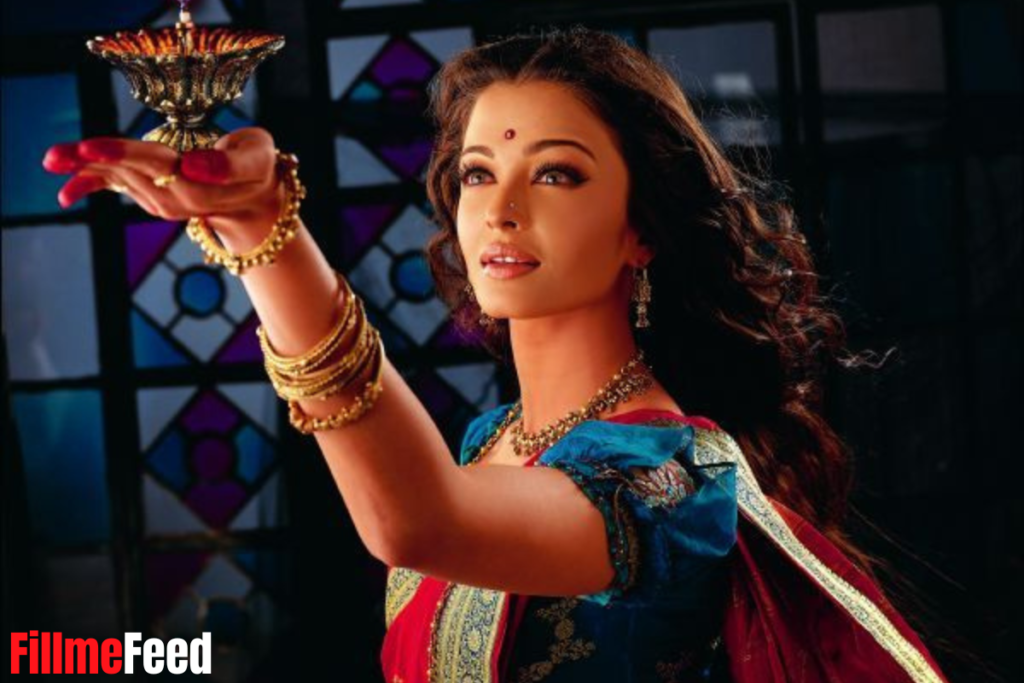
Both women face constraints that are, frankly, far worse than his. Neither has the freedom of movement or money that Devdas has. And yet they find ways to keep living inside those constraints. He doesn’t. This comparison is the one that convinced me the “society did this to him” reading doesn’t hold up. Society built the cage for all three of them. Only one of them chose to stay locked inside it and call that choice destiny.
Also Read: Bollywood Villains: The Most Misunderstood Antagonists
The drinking isn’t sadness. It’s an excuse.
I don’t think Devdas drinks because he’s sad, not exactly. I think he drinks because staying sober would mean staying conscious of what he actually did, and that’s unbearable to him.
Alcohol lets him avoid making decisions. It lets him avoid responsibility. It keeps the victim identity intact without requiring any further effort from him. One scholarly reading frames his physical decline through drink as a prolonged, almost deliberate form of self-destruction, not an accident that befalls him but a project he commits to.
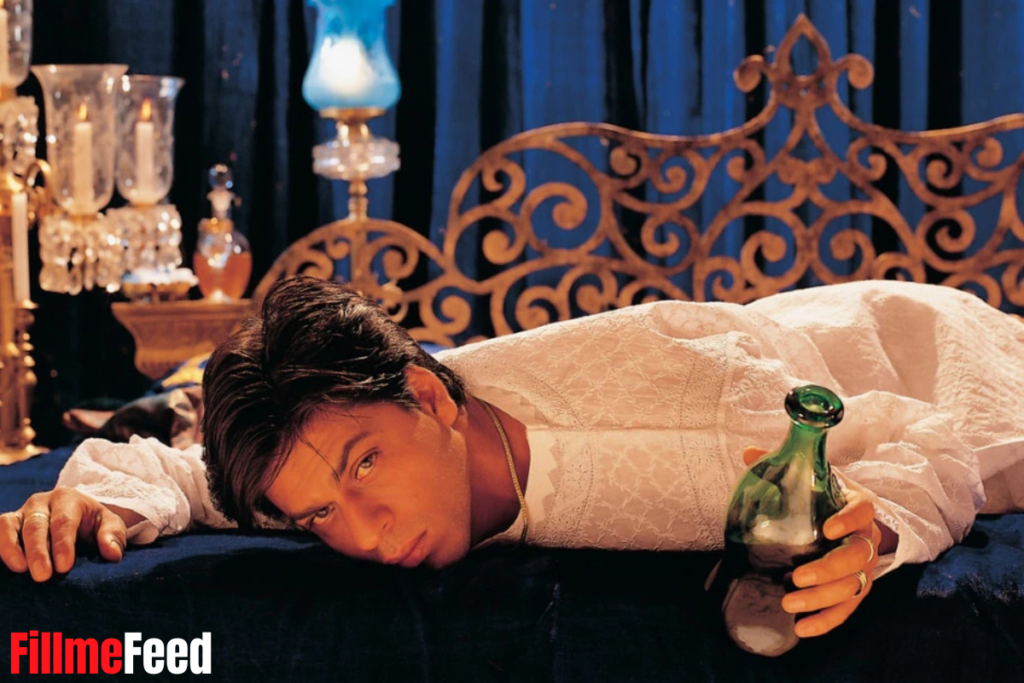
That reframing matters a lot for the Devdas the villain argument. A tragic accident happens to you. A slow suicide is something you build, day by day, glass by glass.
Why does he only go back when he’s dying?
The ending gets read as romantic. He drags himself, dying, to see Paro one last time. People cry at this part, and I get why. But I want to push on it a little.
Why now? When he was healthy and free to marry her, he couldn’t do it. When she was still available, he hesitated until she wasn’t. So why does the final act of courage only arrive once there’s nothing left to actually decide?
Because by then, showing up costs him nothing. He doesn’t have to build a life with her. He doesn’t have to be a husband, or reliable, or present for the next forty years. He just has to arrive, say a few final things, and die. It’s the safest possible version of reunion there is. That’s not bravery reasserting itself at the end. That’s the last and easiest escape route he had left.
So was Devdas really the villain?
I don’t think he’s evil, not in the cartoon sense. But I do think the label fits better than the “tragic victim of a cruel society” one we’ve been handing him for a hundred years. Society built the walls, no argument there. Devdas is the one who kept choosing the version of his own life that hurt the most people and called it fate instead of a decision.
Paro carried the cost of his hesitation. Chandramukhi carried the cost of his coldness. His own family carried the cost of his collapse. And Devdas carried it too, but then turned around and romanticized carrying it, which is its own kind of harm.
Maybe the real tragedy of Devdas the villain isn’t that he loved Paro too much. Maybe it’s that he loved the story of losing her more than he ever loved the responsibility of keeping her.
About FillmeFeed
FillmeFeed is your go-to destination for the latest updates on Bollywood, Hollywood, Anime, Fashion, Lifestyle, OTT releases, Celebrity News, Movie Reviews, and Trending Stories. We bring readers engaging, well-researched, and up-to-date content from the world of entertainment and pop culture.
FillmeFeed is proudly a part of Fillme Networks, a digital media network committed to creating high-quality content across entertainment, lifestyle, technology, and emerging digital trends.