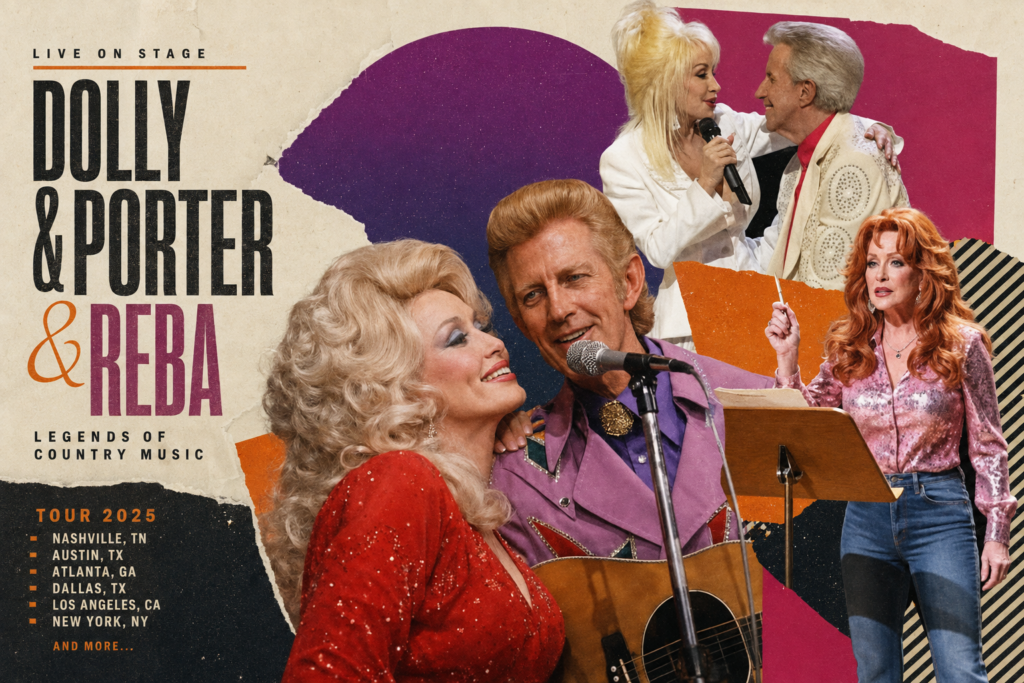
If you grew up watching Indian cable TV in the 90s, you know this song. Dolly Parton was the one who actually wrote it, I bet most people draw a blank, or guess wrong.
‘I Will Always Love You’ has been playing at Indian farewells and school function stages for three decades now. It’s the song every reluctant singer picks when they want to prove something. Hardly anyone connects the song to the person who actually wrote it. Parton worked it out in 1973, seven years before Whitney Houston had even signed a record deal. It isn’t the love song most people assume it is, either. She wrote it for a man, sure, but not a man she was in love with. Her death on 25 August 2026, at 80, seems like a fair moment to untangle which pieces of this story genuinely belong to her.
Before Whitney: Dolly’s Original 1973 Recording
Parton had already put in close to seven years as the “girl singer” on The Porter Wagoner Show by 1973, the country variety program that turned her into a name people recognized, ever since Wagoner brought her on board in 1967. That show made her career. It also, in her telling, became the very thing standing between her and a solo career on her own terms. Rather than have it out with Wagoner face to face, she put it into a song instead.
Which is what this song actually is, at its core: a goodbye, written for someone she was leaving but didn’t want to hurt. There’s a detail here that says a lot about her as a writer; she wrote this and ‘Jolene’ on the same day. One song runs on jealousy and fear. The other is quiet and already settled, someone who’s made up her mind and isn’t looking back. Both written before dinner, most likely.
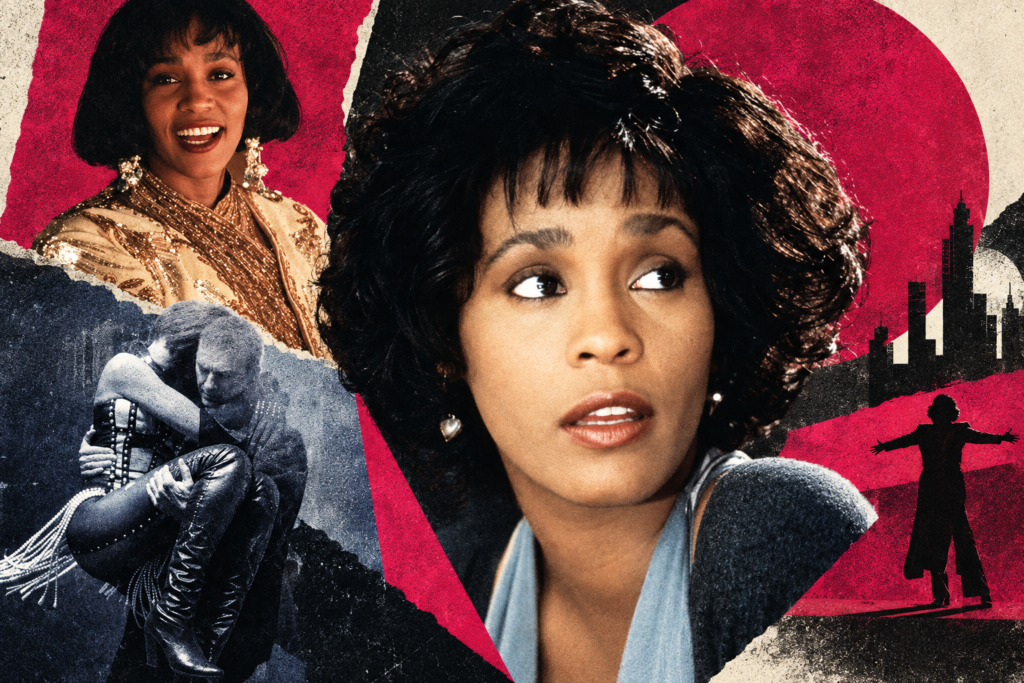
She put it out as a single in 1974 and rode it to number one on the Billboard Hot Country Songs chart that June. Then, in October 1982, she pulled off something nobody else has managed with a single song: took it back to number one a second time, this go-round with a re-recording made for ‘The Best Little Whorehouse in Texas.’
Elvis Presley nearly got to it first. He wanted to record it in the mid-1970s, and Parton said yes, genuinely thrilled at the idea of him singing her words. Then, the night before he was due in the studio, his manager Colonel Tom Parker called her up with a condition attached Presley wouldn’t cut the track unless his side got half the publishing rights. She turned him down flat. She’s said since that she cried through the night over it, saying no to Elvis wasn’t easy for her, but she wasn’t willing to hand over what she considered the single most valuable copyright she owned. Had she given in, half of everything Whitney Houston’s version would go on to earn, nearly twenty years later, would have landed in Presley’s estate instead of hers.
How the Song Found Its Way to Indian Audiences
A 2012 Forbes India tribute, written just days after Houston passed away, is one of the clearer accounts of how this particular song reached listeners here. The piece describes urban Indian households through the 80s and into the early 2000s playing Houston’s biggest hits on repeat ‘I Wanna Dance With Somebody,’ ‘Greatest Love of All,’ and this one. The writer recalls their own sister picking a Houston song for a school singing competition specifically because it was hard to sing well. And that’s really the point: for a whole generation of Indian students, this song wasn’t just a ballad, it was a dare. You attempted it at farewell functions and inter-school contests because getting through it without cracking meant something.
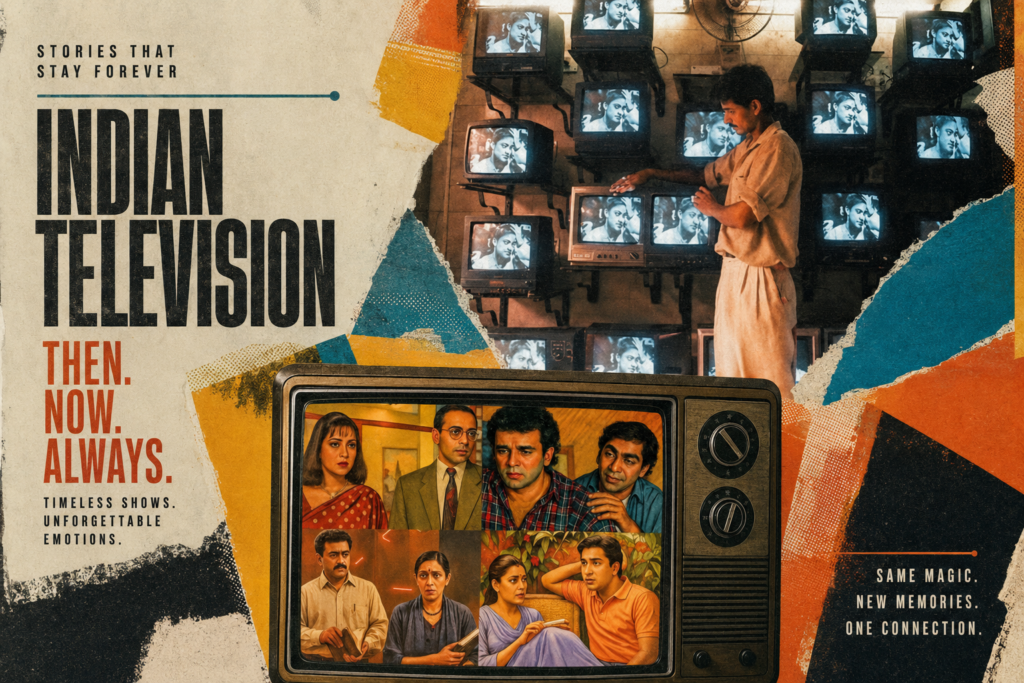
None of this came through country radio, which barely existed in urban India back then. It travelled a completely different route: cassette and CD copies of the ‘The Bodyguard’ soundtrack, the spread of satellite TV through the 90s, and English-medium schools and colleges where American film and music moved fastest. By the time cable had really dug in by the mid-90s, Houston’s version was so everywhere that most Indian listeners under 40 today have probably never even clocked that it’s a cover.
Whether it made it onto Indian wedding playlists and sangeet nights the way some other Western ballads did is genuinely hard to say for sure. It shows up here and there in people’s memories and farewell-song lists, but nothing solid enough to call it settled. What is clear is how deeply this song sits in the memory of a very specific generation of urban, English-speaking Indians who came of age right alongside satellite television.
Two Versions, Two Different Songs
Put the two recordings side by side and they barely sound like they’re the same song. Parton’s original is stripped down: just acoustic guitar, a steady, unhurried tempo, her voice sounding like she’s actually talking to Wagoner across a room. There’s no big swell because it was never meant to be a performance. It’s a private goodbye between two people.
David Foster, producing for Houston, turned it into something else entirely. Kevin Costner is actually the one who suggested the a cappella opening line, “If I should stay” an idea Foster initially pushed back on before eventually going with it. What follows builds slowly through two verses before a key change sends the final chorus somewhere Parton’s version never goes, straight to the kind of vocal peak Houston’s voice was made for. Parton’s version stays seated. Houston climbs a mountain. It sounds less like a song and more like the ending of a film that needed a big finish, which, of course, it was.
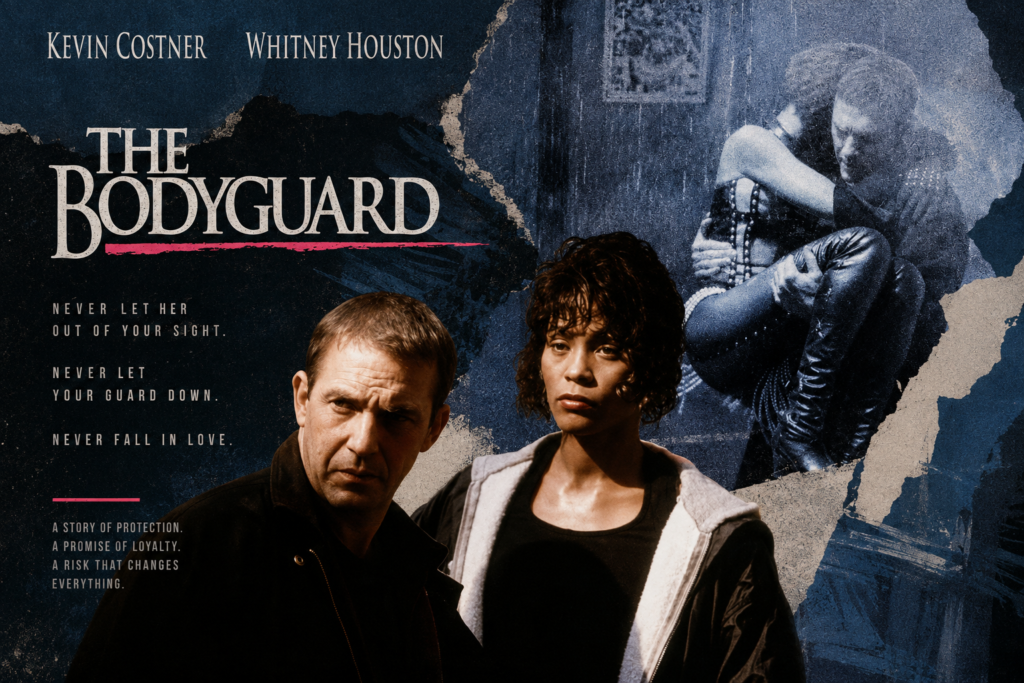
The single dropped in November 1992, part of ‘The Bodyguard’ soundtrack, and by 28 November it was sitting at number one on the Billboard Hot 100. It didn’t budge for 14 weeks straight; nobody had held that top spot that long before. Billboard’s own numbers put its sales at 3.1 million copies in the first nine weeks alone, enough to make it the best-selling single of that entire year. Two Grammys followed in 1994: Record of the Year and Best Female Pop Vocal Performance, the second one handed to Houston by Parton herself, on stage, in front of everyone. The accolades kept arriving decades later too; the Library of Congress folded it into the National Recording Registry in 2020, and the RIAA certified it Diamond in January 2022. Guinness still credits it as the best-selling single ever released by a female solo artist, north of 20 million copies sold worldwide.
None of that success ever seemed to bother Parton. Ask her about it and she’ll tell you, plainly, that Houston did “an incredible job” with her song, no complicated feelings buried underneath, no sense that something got taken from her. From everything either woman has said publicly over the years, the respect ran both directions. It’s rare for a cover to eclipse the original this completely, and rarer still for the person who wrote it to spend three decades genuinely happy about that.
What Most Indian Listeners Never Knew About the Woman Who Wrote It
Most of this week’s obituaries, in India and everywhere else, have focused on Parton’s own catalogue ‘Jolene,’ ‘9 to 5,’ four decades of hits in her own voice. Not many have pointed out that her single most successful song, by any commercial measure, isn’t really a country song at all, and that its success traces back to one decision she made in her twenties: choosing to protect a piece of paper over the chance to work with Elvis Presley.
That refusal says a lot about something Parton spent her whole career quietly proving, something she rarely got proper credit for outside America: she owned and ran her own catalogue, on her own terms. She once called a Nashville property, built partly on the royalties from Houston’s version, “the house that Whitney built” half gratitude, half a very matter-of-fact business observation. Writing a song that becomes a standard is one achievement. Holding onto the rights long enough that someone else’s hit, recorded two decades later, ends up paying for real estate is a different one entirely.
For Indian listeners who only ever knew this song through Houston’s voice, that’s the piece of the story usually missing not just who wrote it, but who kept the rights to it, and what that eventually added up to. Parton wrote somewhere around 3,000 songs across her career. This is the one that made her a household name to millions of people who’ve never heard her own recording of it, and the one where her business sense mattered just as much as her songwriting did.
The Song Outlives the Handover
Parton died on 25 August 2026 in Nashville, at 80, after what her publicist called a brief battle with cancer. The tributes since have covered the expected ground, the rhinestones, the humour, Dollywood, the songs written in her own voice. Fewer have lingered on the song she wrote in someone else’s voice: the one she handed to a television host she was walking away from, that a manager once tried to claim half of on Elvis’s behalf, and that a 19-year-old Whitney Houston, not yet famous when Parton first put pen to paper, would later turn into one of the best-selling recordings of all time.
Back in 2012, the day after Jennifer Hudson’s tribute performance at the Grammys, Parton released a statement saying she was “still in shock,” but that Houston would live on through the music the two of them had shared with the world. Fourteen years later, it’s Parton who’s gone, and the song still carrying her name furthest is the one she wrote for someone else entirely.
Frequently Asked Questions (FAQs)
1. Did Dolly Parton write ‘I Will Always Love You’ for Whitney Houston?
No. She wrote it in 1973 for Porter Wagoner, the country star whose show she was leaving nearly two decades before Houston ever recorded it for ‘The Bodyguard’ in 1992.
2. How long did Whitney Houston’s version stay at number one?
It spent 14 consecutive weeks at the top of the Billboard Hot 100 after hitting number one on 28 November 1992, a record at the time for the longest unbroken run at the top of that chart.
3. Has Dolly Parton’s own version ever topped a chart the way Whitney Houston’s did?
On a different chart, yes. Parton’s original hit number one on the Billboard Hot Country Songs chart twice in 1974 and again in 1982. Houston’s version topped the Hot 100, a different chart for a different audience, so it’s not really fair to put the two head-to-head.
4. Where can I watch the Entertainment District arc with Gyutaro and Daki in India?
It streams on Crunchyroll and Netflix in India, with Hindi, Tamil and Telugu dubs available on Crunchyroll.
About FillmeFeed
FillmeFeed is your go-to destination for the latest updates on Bollywood, Hollywood, Anime, Fashion, Lifestyle, OTT releases, Celebrity News, Movie Reviews, and Trending Stories. We bring readers engaging, well-researched, and up-to-date content from the world of entertainment and pop culture.
FillmeFeed is proudly a part of Fillme Networks, a digital media network committed to creating high-quality content across entertainment, lifestyle, technology, and emerging digital trends.