
You know how some film characters just refuse to leave you alone? You watch the movie once, but these characters never leave you. Standing in a grocery queue, stuck in traffic, scrolling through old photos, you think about them now and then.
That’s the strange thing about great Iconic Indian film characters. The story ends, but the person somehow keeps living in your head.
I think that is why we still argue about them. Someone says Vijay from Deewaar was justified, someone else says he was just angry and broken, and suddenly you’re both raising your voices over a film that was released decades before either of you were probably even watching movies seriously. Nobody argues like this over plot twists. We argue over people. Fictional people who somehow felt real enough to matter.
Maybe that’s the whole point of memorable Bollywood characters and the ones from our regional cinema too. They don’t just entertain us for two and a half hours. They hang around. They shape how we see stubbornness, or grief, or ambition, long after we’ve forgotten half the dialogues.
So here are eight Iconic Indian film characters I keep coming back to. Not because they are the perfect characters in Indian cinema. Honestly, most of them are a mess in one way or another. And that is probably why they are memorable.
Vijay, Deewaar
I first watched Deewaar as a teenager and I thought Vijay was cool. The swagger, the anger, that famous line about having the bungalows and the bank balance. It felt powerful.
Watching it again changed everything. Vijay isn’t cool. He’s a man who never healed. Every choice he makes is due to one humiliating childhood memory. He builds an empire, but he is still that helpless boy underneath it all.
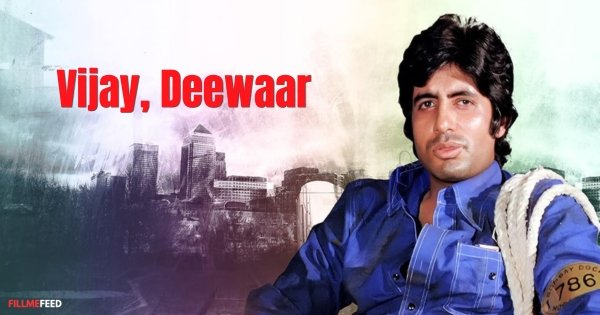
What gets me now is how his brother Ravi chose the harder, slower path. Vijay never understood why anyone would struggle over shortcuts. He wasn’t wrong to be angry. The system had failed his family. Anger became the only voice he heard.
I have always found it interesting that this film came out in 1975 and yet the anger in this film still feels current. The anger that comes from injustice in this film does not always turn into something noble. Sometimes the anger in this film is just. That is what makes this film so interesting to watch. This film is about the anger that people feel when they are treated unfairly and the anger in this film is still something that people can relate to today. Vijay remains one of the most Iconic Indian film characters for exactly this reason.
In retrospect, Vijay never wanted the money. Maybe he just wanted somebody to say sorry.
Vidya Bagchi, Kahaani
Every time I watch Kahaani, I see something about Vidya. Vidya is a woman who is looking for her missing husband, in Kolkata. She is very quiet and a little lost. Vidya has to lean on strangers to get help. Then the final twist changes everything I thought I knew about Vidya. It makes me think about Vidya in a new way.
What I love is that the film never announces her intelligence. It hides it inside vulnerability. People underestimate her constantly, the cops, the bureaucrats, even the audience, and she lets them.
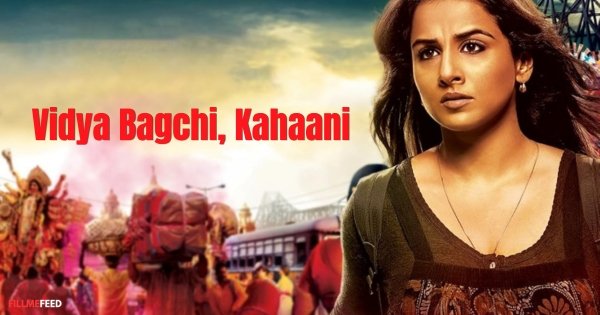
I didn’t watch this as fully the first time I watched it, but there’s something quietly sharp about a woman using the world’s assumptions about pregnant women as her biggest weapon. She’s not performing weakness for sympathy. She’s using it as cover while she does exactly what she came to do. Among Iconic Indian film characters, Vidya is one of the few who wins by being underestimated.
It says something about us that this film became such a massive hit. Maybe we were tired of women on screen who had to declare their strength loudly to be taken seriously. Vidya never raises her voice much. She doesn’t need to.
Even now, when someone assumes I can’t handle something because of how I look or sound, I think of her a little.
Munna Bhai, Munna Bhai M.B.B.S.
Munna Bhai should not work as a character when you think about it. Munna Bhai is a gangster who pretends to be a doctor and lies to his parents for years. Munna Bhai also runs extortion rackets on the side. Somehow Munna Bhai is one of the warmest characters that Hindi Cinema has given us.
The scene that really gets to me every time is when Munna Bhai sits with patients who are dying and just listens to them. Munna Bhai does not use any terms or try to be overly positive. Munna Bhai just sits there with them. Munna Bhai gives these patients what actual doctors often forget to give them because they are so caught up in following the rules.
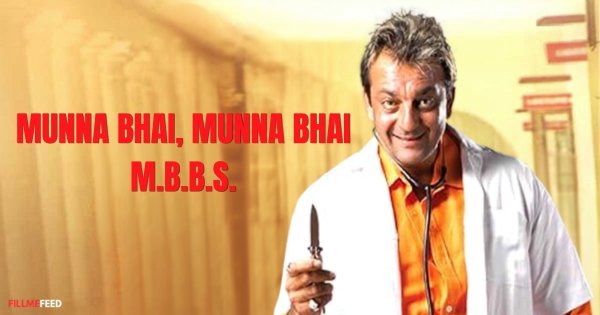
The problem with Munna Bhai is pretty clear. Munna Bhai lies. Munna Bhai keeps adding to the lie instead of just telling his parents the truth. This causes a lot of pain for people like Circuit and his father. The film does not try to make this seem okay. The film shows what a mess it can be when you have intentions but you are not honest.
Munna Bhai shows you can be kind and dishonest back then. Being human and being honest are not the same thing. It’s why he still ranks among the most rewatchable Iconic Indian film characters two decades later.
I think I understand this film more now than I did when I was a kid, when I was a kid I just laughed at the scenes and the jokes about drinking. Now I notice that Munna Bhai is actually very lonely, underneath all his charm.
Chandra, Lokah Chapter 1: Chandra
Chandra arrived in 2025. I was not prepared for how much Chandra would stay with me. Here is a woman who has been alive for centuries, carrying pain that most of us cannot imagine and yet the film shows Chandra doing things. Chandra works a job. Chandra eats alone. Chandra exists quietly among people who have no idea what Chandra has been through.
What struck me was how tired Chandra looks in her powerful moments. Not weak, just tired in that way that comes from surviving for too long without anyone truly seeing Chandra.
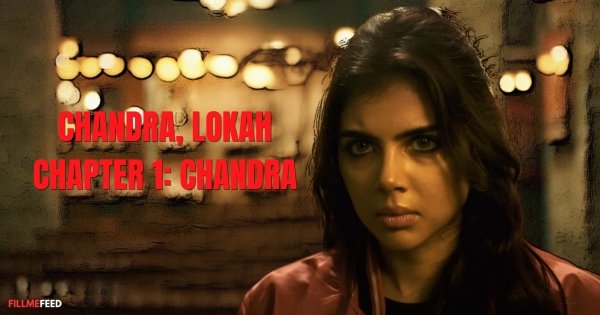
I watched it in a packed theatre. I noticed something interesting. The loudest cheers were not during the action sequences. The loudest cheers came during the human moments when Chandra finally let someone close, when Chandra’s guard dropped for a second.
Chandra is not written to be relatable in a way. Most of us have not lived lifetimes. Something about carrying an old wound while still showing up every day for ordinary life. That part felt painfully familiar to me. It’s a reminder that Iconic Indian film characters don’t need to be human to feel this real.
Maybe that is why a 2020s superhero origin story ended up feeling less like spectacle and more like something quietly personal. It says a lot about where our stories are heading and what our stories are becoming. And I think that is really interesting, about Chandra and the film.
Piku, Piku
Piku is impatient, sharp-tongued, and exhausted by her father. Anyone watching this film with an aging parent at home will see that exhaustion immediately. It’s not dramatic. It’s the everyday kind, the kind that comes from repeating the same argument about bowel movements for the hundredth time.
The scene I keep thinking about is the drive from Delhi to Kolkata. Nothing major happens. No twist, no big emotional monologue. Just father and daughter being irritating and tender with each other in equal measure, the way real families actually are.
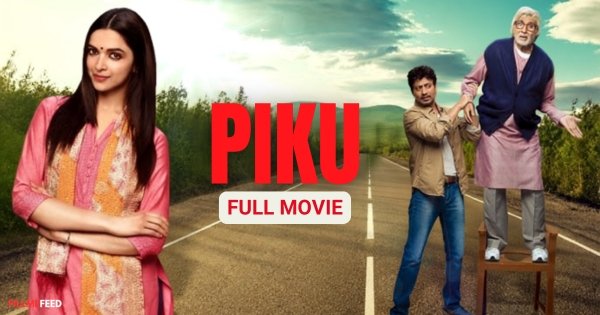
What makes Piku interesting is that she is not a devoted daughter in the traditional Bollywood sense. She is often annoyed. She sometimes wishes she had another life. And the film lets her feel that without punishing her for it or turning her into a villain. Piku belongs on any list of Iconic Indian film characters precisely because she refuses to be noble about it.
I did not get this movie the first time. I watched it looking for a story. It took a rewatch to realise the whole point was that there wasn’t supposed to be one big story, just life happening in small stories.
Maybe caregiving was never meant to look noble on screen. Maybe it was always meant to look like this, tired and irritable and quietly full of love anyway.
Minal Arora, Pink
Minal doesn’t cry for the courtroom. She doesn’t perform vulnerability to win sympathy from the judge or the audience. She stays composed, sometimes even a little cold, and that composure is exactly what gets used against her.
The line that still gives me chills is Deepak Sehgal’s “no means no.” Simple words, and yet the film spends its entire runtime showing how society twists that simple idea into something complicated whenever it’s inconvenient.
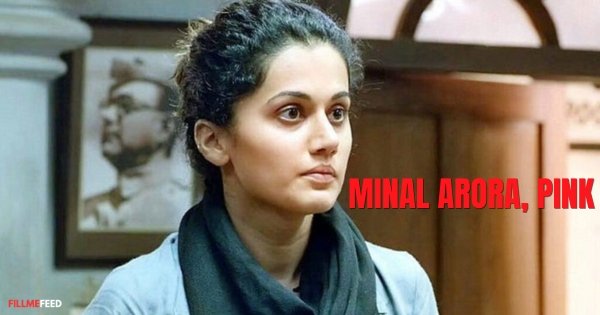
What I find genuinely brave about how Minal is written is that she isn’t made likeable in the way victims are often expected to be on screen. She drinks, she has male friends, she goes out at night, and the film refuses to apologise for any of it or explain it away. Of all the Iconic Indian film characters on this list, Minal is the one who asked audiences to change first.
Watching this again recently, with a few more years of paying attention to how these conversations happen in real life, I noticed how exhausting it must be to keep defending your own character just to be believed about something that happened to you.
It says something about where we were as an audience that this film needed to exist at all. And something about where we still are, honestly, that it still gets shared and discussed the way it does.
Mahavir Singh Phogat, Dangal
Mahavir is difficult to sit with. I think that’s on purpose. He makes his daughters wrestle before they have a chance to say no. He cuts their hair without asking. There’s an uncomfortable feeling when you watch a father put his own unrealized dream onto his children’s bodies.
Yet the movie doesn’t let you write him off either. His daughters do get strong because of the strictness he put on them. Geeta fights back against him too. She has to fail on her own terms before she finds what really works for her.
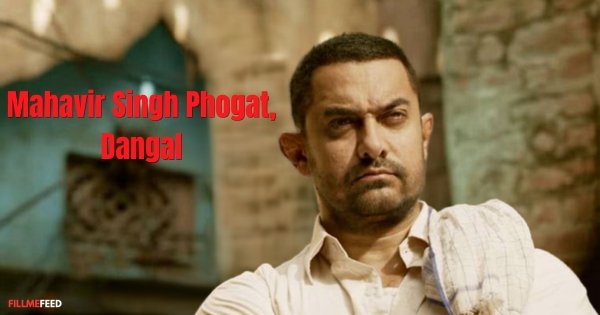
The scene that always gets me is the match, when Mahavir is not allowed into the stadium and Geeta has to win without him watching. That’s when his control finally completely lets go. She wins the match her way, not completely his. Few Iconic Indian film characters capture that push and pull between love and control and Mahavir does.
I have felt mixed about him for years. As a child I saw him as inspiring. Now I see someone who truly cared for his daughters. Showed it in ways that also hurt them.
Maybe that’s the truth. Sometimes the people who push us the most are also the ones who can’t always tell the difference, between believing in you and trying to control you.
Sajan from The Lunchbox
Sajan is hardly dramatic and that is exactly why he stays with you. A quiet, lonely widower nearing retirement, going through the same motions every single day until a mistakenly delivered lunchbox starts a strange written friendship with a woman he’s never met.
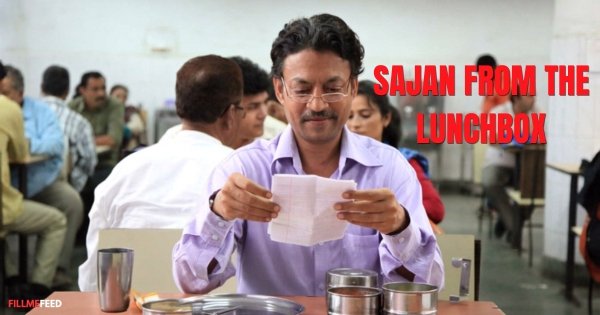
Nothing about him is heroic. He is a little grumpy, a little closed off, someone who has clearly stopped expecting much from life and that is obvious. What I find quietly devastating is how much he changes just from being noticed by someone. Not romanced dramatically, just noticed. Someone asked how his day went. Someone remembering small details about him. Sajan proves that Iconic Indian film characters don’t need a single dramatic scene to earn their place on a list like this.
I loved this film’s slowness when I first watched it. I never wanted something to happen, which is highly unlikely of me. Maybe Sajan isn’t remarkable at all. Maybe he’s just what most of us quietly become if nobody keeps checking in.
What These Characters Say About Us
I have noticed something when I see all these Iconic Indian film characters together. We do not actually like people on the screen. We say we want people we can look up to. The characters we like to watch again and again are the ones who are not perfect, the ones who get angry, the ones who are not honest, the ones who make mistakes in their relationships while trying to do the right thing for someone else.
Vijay is a person but we still feel sorry for him. Munna Bhai tells lies all the time. We still love him. Mahavir controls his daughters. We still think the movie is inspiring. If you think about this it means something. Maybe we are not as interested in learning about what’s right and wrong as we say we are. Maybe what we really want is for people to be honest about how complicated life’s
I also think that what we like to watch has changed over time. Think about how people reacted to Minal in the movie Pink and how they would have reacted to a character twenty years ago. Think about Vidya, she is smart but quiet compared to the female leads who were loud and obvious heroes. It seems like we are starting to like characters who do not explain themselves just to make us feel better. This is a change and it says something about what we expect now, especially when it comes to how the most Iconic Indian film characters written for women have evolved.
Then there is Chandra, one of the most quietly powerful Iconic Indian film characters on this list, an old, tired, but powerful woman. She still has to go to work and eat alone. Maybe what we want now is not to escape our problems. Maybe we want the characters we imagine to feel as tired as we do sometimes.
It is funny how our thoughts about characters change as we age. The characters who used to seem like people we wanted to be like Vijay with his money and power and Mahavir, with his discipline start to seem different once we have lived a bit more. We start noticing things that happen when someone achieves something. We start to notice who got hurt along the way and that changes how we think about Vijay and Mahavir and their stories.
Maybe That’s Really Why We Keep Watching
Maybe we don’t revisit these films because we’re looking for answers. Maybe we go back because somewhere in these Iconic Indian film characters, angry sons and lying gangsters and tired centuries-old women and irritable daughters, we keep finding small pieces of ourselves. Pieces we didn’t expect to see, on a random Tuesday night, in a story we thought we already knew by heart.
About FillmeFeed
FillmeFeed is your go-to destination for the latest updates on Bollywood, Hollywood, Anime, Fashion, Lifestyle, OTT releases, Celebrity News, Movie Reviews, and Trending Stories. We bring readers engaging, well-researched, and up-to-date content from the world of entertainment and pop culture.
FillmeFeed is proudly a part of Fillme Networks, a digital media network committed to creating high-quality content across entertainment, lifestyle, technology, and emerging digital trends.


Pingback: Actors Who Almost Played These Iconic Roles (and Why We're Glad They Didn't) -
Pingback: Kantara Filming Location: The Incredible Story Behind Rishab Shetty’s Keradi -
Pingback: Munna Bhai MBBS: The Good-Hearted Goon Problem -