They say “You either die as a hero or you live long enough to see yourself become a villain”. If I ask you this question, “Do you want to die as a hero or you want to live long enough to see yourself become a villain ?” Maybe I know what your answer will be, and there are reasons for that answer.
When was the last time you found yourself understanding the villain more than the hero? From complex antiheroes to tragic masterminds, modern cinema has blurred the traditional line between good and evil. In 2026, audiences aren’t celebrating evil, they are connecting with villains as heroes and feeling their pain, thus finding them more relatable.
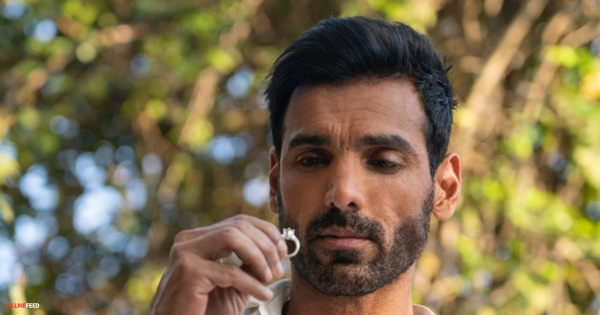
The idea of villains as heroes doesnt mean audiences support evil, it means they understand the people behind it. Villains now are not just filled with blind hatred in fact they have their justifications, their reasons which at times seems convincing and even if it does not justify their actions their reasons their past, emotions, trauma give their actions a context. The audience is not falling in love with the villains but they are connecting with honesty. This is Precisely why the concept of villains as heroes has gaind so much pop[ularity in recent years.
This also explains why many modern villains resemble sociopaths rather than one-dimensional psychopaths. While psychopathy is typically connected with natural characteristics such as a severe lack of empathy and calculating behaviour, sociopathic qualities are frequently linked to negative life events, trauma, or unstable situations. By rooting villains in true psychological conflicts rather than portraying them as entirely evil, filmmakers create characters that are unsettlingly real and, at times, uncomfortably sympathetic.
Why Do We Remember Villains More Than Heroes ?
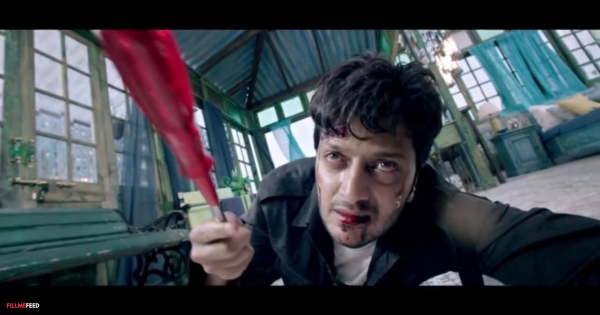
The growing popularity of villains as heroes can largely be explained by the way these characters are written today. Answer to this question is the way villains are written in modern cinema and because of shifts in modern storytelling. Villains are no more one dimensional, pure evil antagonists. They don’t see themselves as villains; they believe what they are doing is necessary. Let’s take the example of one of the most powerful and famous villains of last decade, Thanos. He believed what he was doing was necessary to maintain the balance of the universe and although we as an audience do not agree with his actions we still are convinced by his reasons and his backstory. Modern villains do not just intend to hurt the heroes but they question the audience’s moral compass. We may never agree with their actions but we do not question their justifications.
Why Do We Emotionally Connect With Villains ?
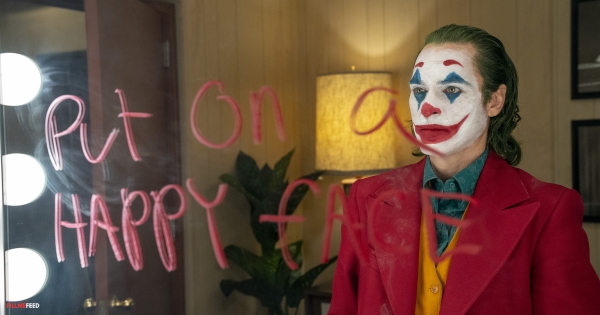
Heroes are often written as ideals, while villains as heroes are written as people. Heroes often represent the people we aspire to become brave, selfless, and morally unwavering. But villains represent emotions, emotions like anger, fear, love, rejection, grief, loneliness, jealousy, or the desire for revenge. These are the feelings everyone experiences, making villains feel surprisingly familiar. Their imperfections make them believable, and their internal struggles often mirror the emotional conflicts people face in real life. We don’t connect with their decisions or celebrate their actions; we connect with their vulnerability. In an era where audiences value authenticity over perfection, flawed characters naturally leave a deeper impression than those who rarely stumble. Sometimes, it’s not the hero’s strength that stays with us, it’s the villain’s humanity.
Are Villains Changing Or Are We ?
Today social media is filled with edits that are made for villains. Audiences have grown more interested in villains and their complex backstory. So it can be said safely that we have seen a shift in audience preference from heroes to villains. Villains aren’t necessarily better written than before. Audiences have become more interested in complexity than perfection and thus this change. Audiences are more leaning towards liking morally grey characters and that’s because we can see those types of characters in real life. In real life there are no clear heroes and villains, so modern audiences gravitate towards the characters who reflect that ambiguity
Maybe villains as heroes haven’t become more relatable. Maybe storytellers have become better at revealing their humanity and audiences have become more willing to embrace complexity. In 2026 we are not rooting for evil, we are simply drawn to characters that feel real.