
Every year around September 5th, Indian timelines fill up with recycled quotes and a stock photo of a blackboard. Half the people sharing it probably couldn’t tell you why that date matters. It goes back to 1962. Dr. S. Radhakrishnan had just become President of India, and a group of his former students showed up asking if they could celebrate his 74th birthday properly. He said no. Then he made a counter offer that outlasted almost everything else from that year: instead of honouring him, observe September 5th as Teachers’ Day, for every teacher in the country, not just one man.
That’s not a small gesture, and it’s easy to forget how much classroom time sat behind it. Radhakrishnan taught philosophy at Madras Presidency College starting in 1909. He held the King George V Chair at Calcutta, the Spalding Chair at Oxford, ran Banaras Hindu University as vice-chancellor, and somewhere in between all of that chaired India’s first University Education Commission in 1948. What he wrote there has stuck with me longer than most of the biography around it: real education isn’t supposed to manufacture employable adults. It’s supposed to produce people capable of standing up to the world instead of just fitting into whatever shape it hands them.
Bollywood teachers took a surprisingly long time to catch up to that idea. Early Hindi cinema treated its educators as moral fortresses, dignified, patient, basically unshakeable. It took decades for the genre to swing the other way and start writing mentors who actually break rules to get a kid what they need. This piece walks through seven of them, spread across roughly two decades of Hindi film, each one solving a completely different kind of exclusion. Some of these movies I’d watch again tonight. A couple of them I think get slightly too much credit. Either way, the shift itself is worth sitting with.
Also Read: Corecore Gen Z Burnout: Why the Internet Feels Exhausting
From Moral Guardian to Institutional Rebel
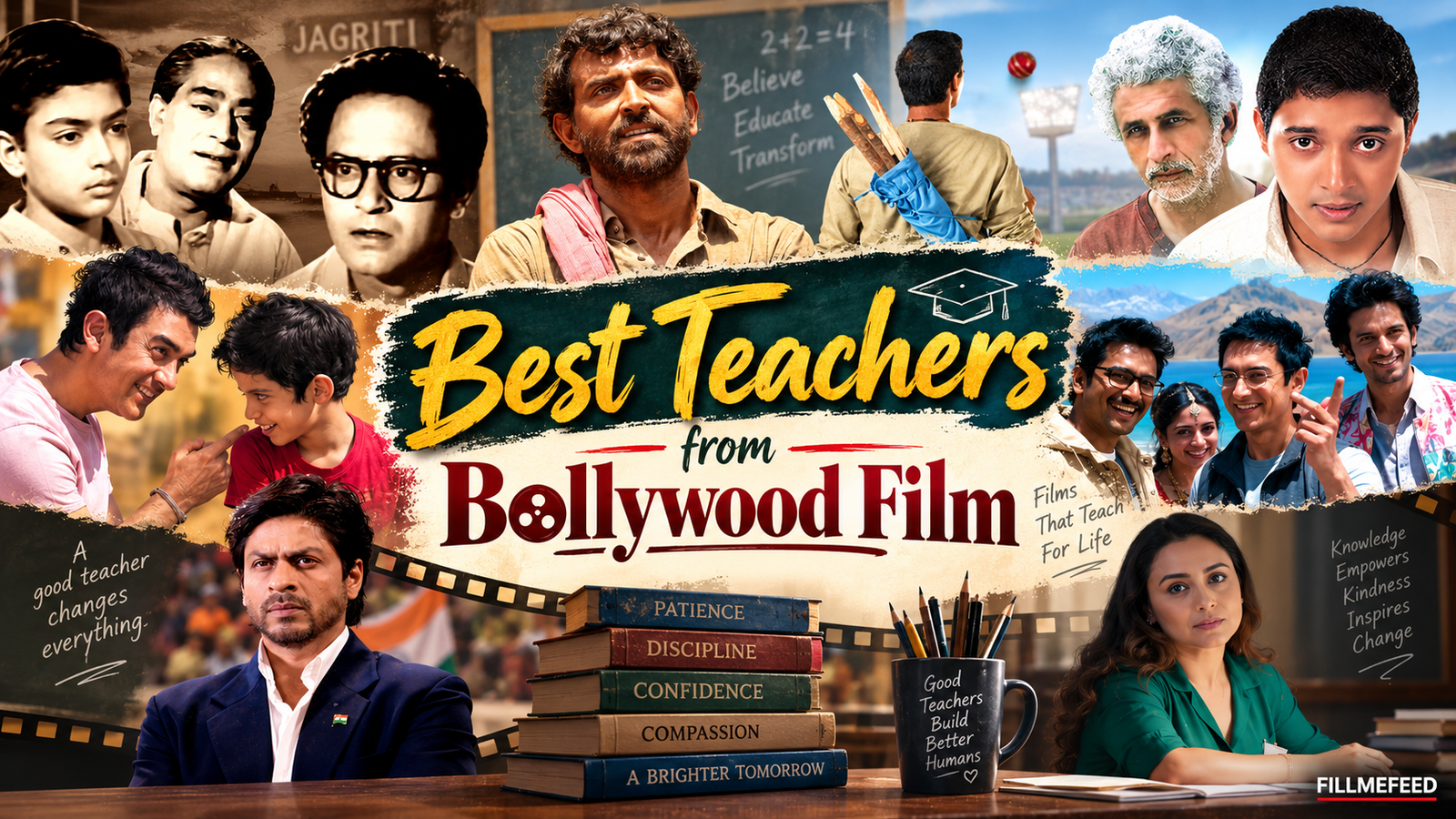
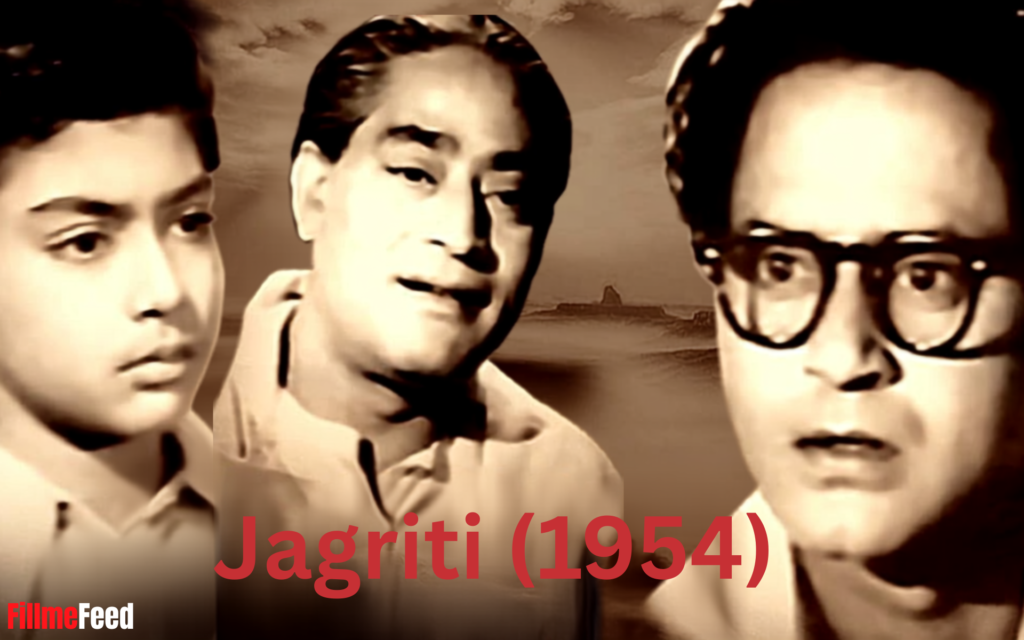
Old Hindi cinema loved the teacher as a saint. In Jagriti (1954), Shekhar Master reforms a group of juvenile delinquents through nationalist discipline and a kind of quiet, almost holy patience. Twenty years later, Imtihan‘s Professor Pramod Sharma faces down a rebellious student body the same way, by simply outlasting them. These men represent the institution. They win because the institution, eventually, always wins.
That framework didn’t survive contact with the modern Bollywood mentor. Rancho spends most of 3 Idiots actively dismantling a grading system he’s supposedly enrolled in. Naina Mathur drags her class outdoors because the classroom itself was engineered, quietly and legally, to keep her out. Kabir Khan spends half his film undoing the very instincts Indian sport had trained into his players. None of these people are propping up a syllabus. They’re handing someone their own selfhood back, piece by piece, usually against the system’s wishes rather than with its blessing.
I think this is the part people miss when they call these “inspirational teacher movies” and leave it there. The word inspirational does a lot of flattening. What’s actually happening in most of these films is closer to institutional sabotage, just done gently enough that it plays as heartwarming instead of subversive.
Ram Shankar Nikumbh, Taare Zameen Par
Amole Gupte spent close to seven years on this one before a frame was shot, working with the Maharashtra Dyslexia Association and watching real kids at Tulip School. You can feel that research in how the film refuses to rush the diagnosis. Nikumbh doesn’t scold Ishaan Awasthi for messy homework the way every adult before him has. He goes to the boy’s house, pulls out old notebooks from years of different subjects, and lays them side by side. The reversed letters, the inverted spellings, they’ve been there the whole time. Nobody had bothered to look across years instead of just one bad test.
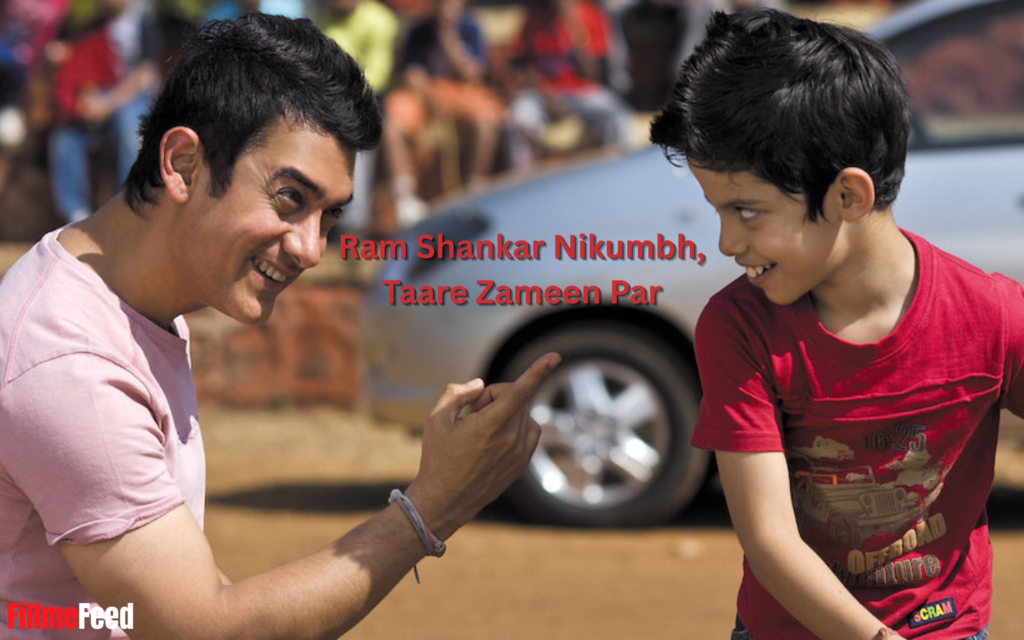
From there the teaching gets almost stubbornly hands-on. Sand tracing. Clay. Painting gestures instead of another worksheet. What actually gets me, every time I revisit this film, is the conversation Nikumbh has with the father, not Ishaan. He doesn’t accuse the man of anything. He just asks him to name the difference between caring about his son and competing through him. That single question apparently landed hard enough outside the cinema too. Several state education boards later widened exam accommodations for dyslexic students, which is a strange and genuinely impressive thing for a family drama to have caused.
Ranchoddas Chanchad, 3 Idiots
Loosely pulled from Chetan Bhagat’s Five Point Someone, this one drops an elite engineering college into pressure-cooker mode and lets Rancho stroll through it like none of it can touch him. He doesn’t out-memorize anyone in this movie. What he does is understand what a machine is actually for before he builds it, which turns out to be a far rarer skill on campus than raw recall. After a classmate’s suicide, he corners the college director and tells him, without softening it at all, that the grading system rewards speed and obedience over thinking and that the gap between those two things is quietly killing students.
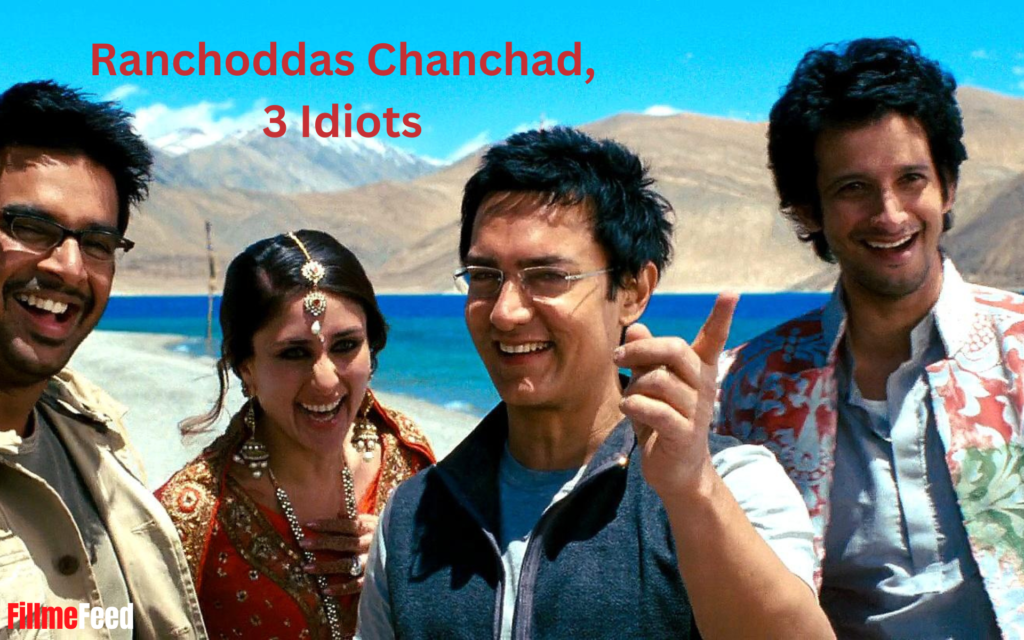
His line about chasing competence instead of the certificate has been printed on so many mugs and hostel posters at this point that it’s basically wallpaper. Say it out loud once, though, away from the merchandise, and it’s still got teeth. Bollywood teachers rarely get written this loose. Aamir Khan plays him like a man who has simply never once bothered to check whether people like him, and watching that kind of ease on screen is honestly a little refreshing.
Kabir Khan, Chak De! India
Jaideep Sahni built this whole script off a stray newspaper clipping about the Indian women’s hockey team winning gold at the 2002 Commonwealth Games. Kabir Khan is fictional. But the shame he’s carrying, and the redemption arc built around it, tracks pretty closely with former goalkeeper Mir Ranjan Negi, who got scapegoated after India’s 1982 Asian Games loss and spent two decades clawing back a reputation that was never fairly taken from him. Negi went on to coach the real 2002 gold medal team and worked as technical consultant on the film itself.
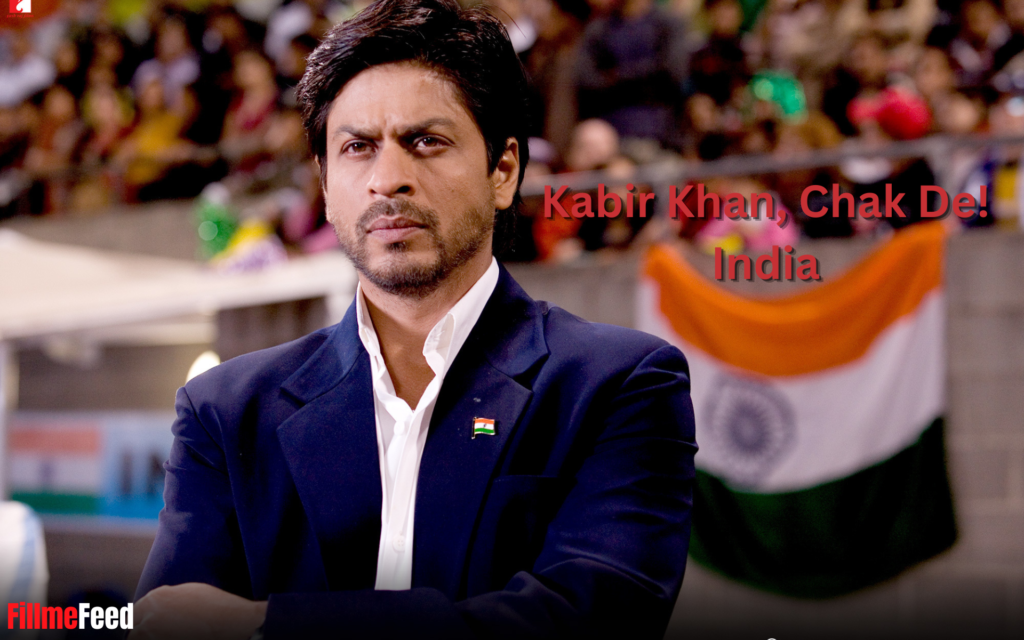
Khan strips every player of their state identity within minutes of meeting them. No Punjab, no Haryana, no Jharkhand, no Manipur. Just India, said flatly, more than once. His seventy-minutes speech near the end skips the medal talk entirely and lands on something smaller and sturdier: that stretch of time on the field belongs to them and nobody can take it back, whatever the scoreboard says afterward. Sahni writes it plain, no swelling music cues in the dialogue itself, just the line doing its job.
Also Read: How Hanuman Ansh box office Went From ₹10 Lakh to a ₹48 Crore Theatrical Run Without Spending on Ads
Debraj Sahai, Black
Bhansali built this one directly out of Helen Keller’s 1903 memoir and her lifelong relationship with Anne Sullivan. Michelle McNally is deaf-blind, and her own family has treated her, more or less, like a pet, bells tied to her clothes so someone can track where she’s wandered off to. Sahai’s very first act as her teacher is cutting those bells off. That gesture is basically the whole philosophy compressed into ten seconds: dignity has to come before pity, not after it.
The fountain scene, where Michelle finally connects running water to the letters W-A-T-E-R, took real, grinding physical persistence to reach. It’s not a lightning-bolt breakthrough, it’s the payoff of hundreds of repeated failures nobody shows you individually. And later, when Sahai’s own memory starts collapsing under Alzheimer’s, the relationship flips entirely. She becomes his teacher, using the same tactile language he once forced into her hands. Amitabh Bachchan won a National Award for this, and honestly, I don’t think that’s an overstatement. It’s one of the few Hindi performances I’d actually call transformative instead of just calling it that because the poster says so.
Naina Mathur, Hichki
Based on American teacher Brad Cohen’s memoir about growing up with Tourette syndrome, the Indian adaptation roots itself in something specifically local: Section 12(1)(c) of the RTE Act, which forces private schools to reserve a quarter of their entry-level seats for children from economically weaker backgrounds. The class isn’t cruel to Naina because they’re bad kids at heart. It’s cruel because the school itself, down to which door certain students are told to use, already told them where they stand before she ever walked in.
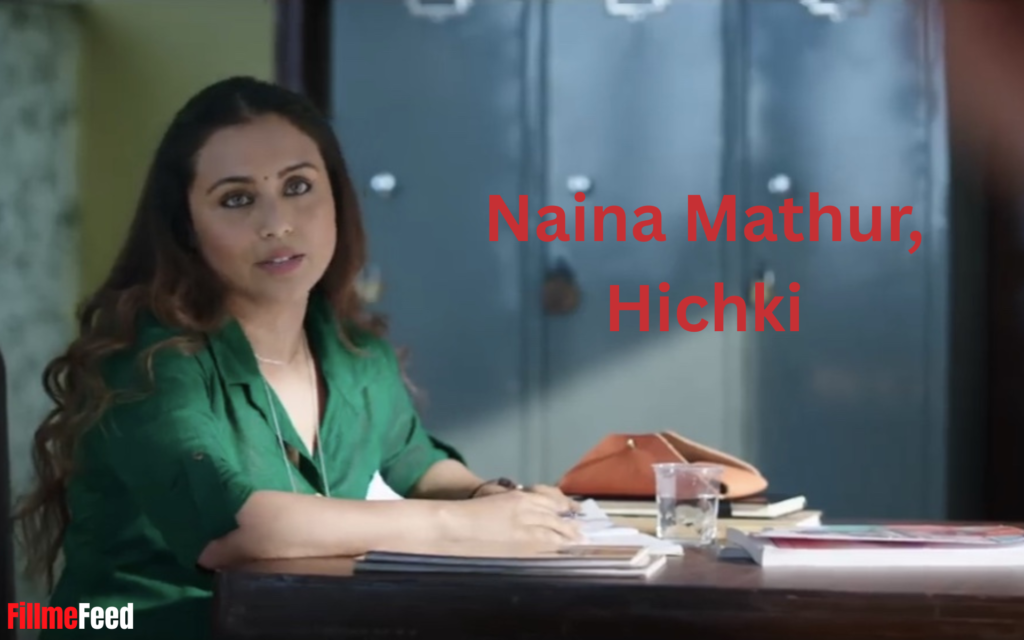
She doesn’t hide her tics from a room that’s clearly ready to mock them. She uses them. Then physics moves outdoors entirely, Newton’s laws taught with a basketball, parabolas explained through a roadside puddle after rain. Her line about there being no bad students, only bad teachers, lands like a slogan the first time. Watch the film get there scene by scene, though, through actual unglamorous effort, and it earns the line instead of just quoting it at you.
Mohit, Iqbal
Naseeruddin Shah plays a washed-up, alcoholic former cricketer assigned to train a deaf and mute farm boy who has no turf, no proper gear, and zero access to any real academy. So Mohit just builds a coaching method out of whatever’s sitting around the village. Buffaloes stand in for fielders. Chalk lines and empty glass bottles teach line and length. It sounds almost comic written out like that, but it’s scrappy in a way that feels earned rather than cute, and the film picked up a National Award for how directly it went after the gatekeeping baked into Indian cricket beneath all the IPL gloss.
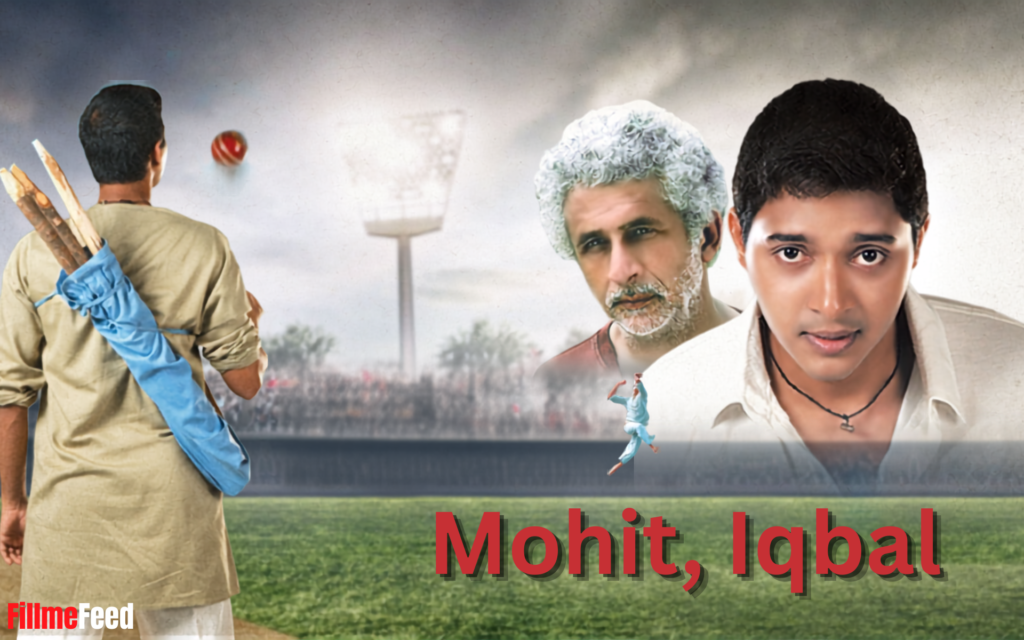
Nothing about this mentorship looks like a classroom, not for one second. It looks like two stubborn people improvising with an open field and way more patience than either of them probably had going in.
Anand Kumar, Super 30
Kumar’s real Super 30 program has been coaching thirty gifted, cash-strapped students a year toward India’s brutal IIT entrance exam since 2002, most of them the children of rickshaw pullers, daily-wage labourers, and small farmers who couldn’t afford tutoring even if they wanted to. The film shows him turning dry calculus into things his students already know from daily life without ever cracking a textbook. A vegetable seller’s balancing scale becomes a lesson in equilibrium. A bicycle wheel becomes rotational motion.
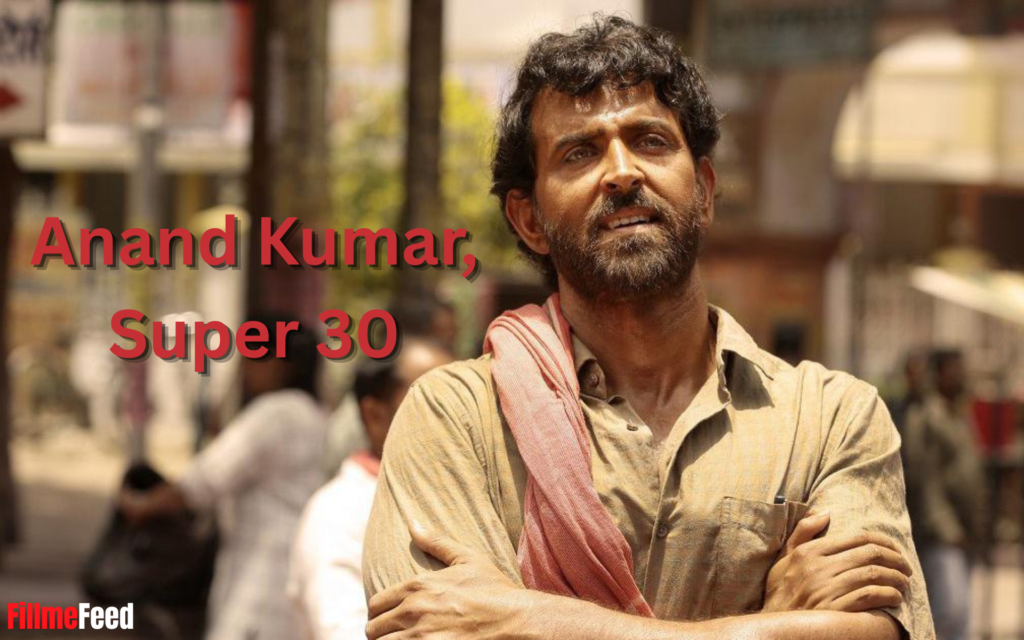
His most quoted line says a king’s son won’t automatically become king anymore, only the one who actually earns it will. There’s nothing dressed up about that sentence, and Kumar clearly isn’t reaching for poetry with it. It’s a direct hit on inherited privilege, and it works precisely because he says it exactly that bluntly and moves on.
What Radhakrishnan Would Probably Recognize
Line all seven of these mentors up next to each other and something obvious surfaces fast. Not one of them is defending an institution. Each is prying a specific kid loose from whatever was holding them down, a rigid grading system for Rancho’s classmates, a school entry policy for Naina’s students, an unaccommodated disability for Ishaan, a family that mistook pity for love in Michelle’s case. Radhakrishnan was circling this same idea back in 1948, decades before any of these films existed: real education is supposed to produce someone who can stand up to their own circumstances instead of quietly absorbing them.
If there’s a genuine takeaway here for parents, students, or actual working teachers, it’s probably this. The method matters far less than the willingness to actually look at a kid clearly enough to notice what’s stopping them in the first place. Nikumbh reads old notebooks nobody else bothered reading twice. Mohit trains with buffaloes because that’s literally what he has on hand. Naina rebuilds her entire teaching style around a classroom that had already tried to exclude her before she even walked in.
None of it looks like the tidy, dignified mentorship Radhakrishnan’s own generation pictured from behind a lecture podium. But somehow it lands on the exact same idea he was circling seventy years earlier. Teaching, done right, sets someone free instead of sorting them into a system that was never built with them in mind. Bollywood teachers took two full decades of very different films to figure that out properly. Radhakrishnan managed to say it outright with one refused birthday party.
About FillmeFeed
FillmeFeed is your go-to destination for the latest updates on Bollywood, Hollywood, Anime, Fashion, Lifestyle, OTT releases, Celebrity News, Movie Reviews, and Trending Stories. We bring readers engaging, well-researched, and up-to-date content from the world of entertainment and pop culture.
FillmeFeed is proudly a part of Fillme Networks, a digital media network committed to creating high-quality content across entertainment, lifestyle, technology, and emerging digital trends.




Pingback: The Bureaucrat, The Healer, and The Clerk: How TVF Heartland Universe Deconstructs the Indian Post-Colonial State -