
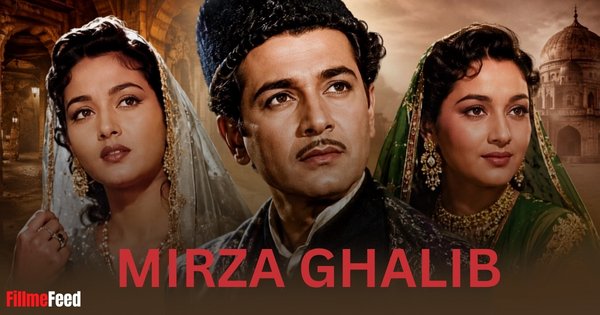
Mirza Ghalib (1954) is the film most people picture when someone says a Hindi film won India’s top National Film Award early on. It didn’t, not that one. Sohrab Modi’s biographical drama collected the first President’s Silver Medal for Best Feature Film in Hindi, a separate, language-specific award that a Hindi film wins most years by definition, the same way a Bengali or Tamil film wins its own. The National Film Award for Best Feature Film, the Swarna Kamal, the single most prestigious prize India hands to a film in any language, went elsewhere that year. Across every edition since, Bengali cinema has won it substantially more often than any other language, and the full breakdown by language tells a more interesting story than the headline stat alone.
Two awards, constantly confused
The confusion sits in the names. Best Feature Film (Swarna Kamal) is a single national prize, one winner a year, drawn from every Indian language and judged against every other film submitted that cycle. Best Hindi Feature Film (Rajat Kamal) is one of several language-specific awards handed out alongside it, the same structure that produces a Best Bengali, Best Tamil or Best Malayalam Feature Film. A Hindi film winning its own category tells you it was the strongest Hindi submission that year. It says nothing about how it measured against Bengali or Malayalam cinema for the top prize.
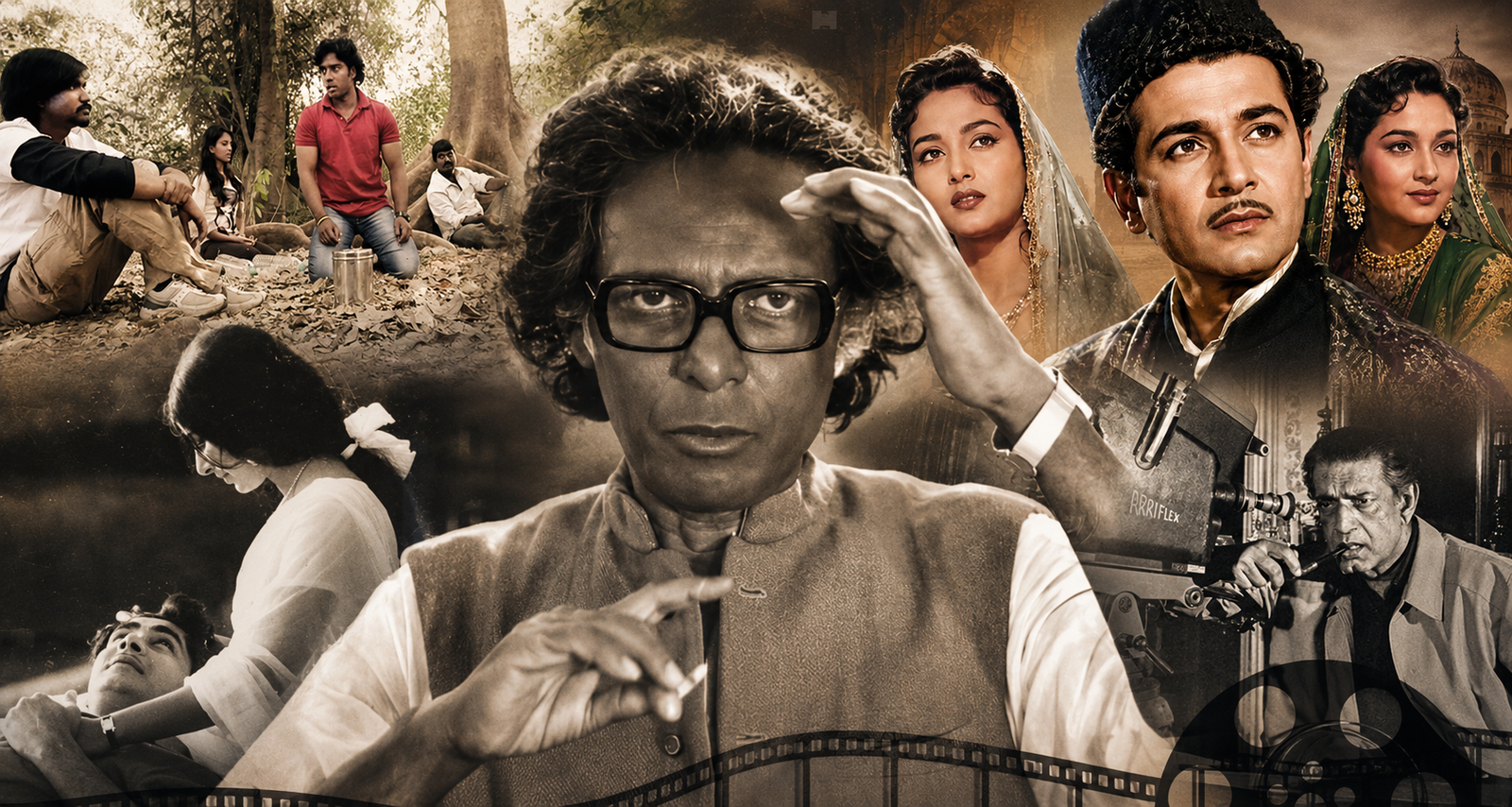
Mirza Ghalib is the clean illustration because it is the oldest and most cited case: a landmark of early Hindi cinema, permanently associated with the National Film Awards, and permanently mistaken for something it didn’t win. The question that matters isn’t which industry makes better films. It’s which award people actually mean when they invoke this one.
Also Read: Wadjda: The Remarkable World Cinema Story Behind the Film
The full picture, by language
As of the 72nd National Film Awards, held in July 2026 for films released in 2024, 72 feature films have won Best Feature Film since the award began.
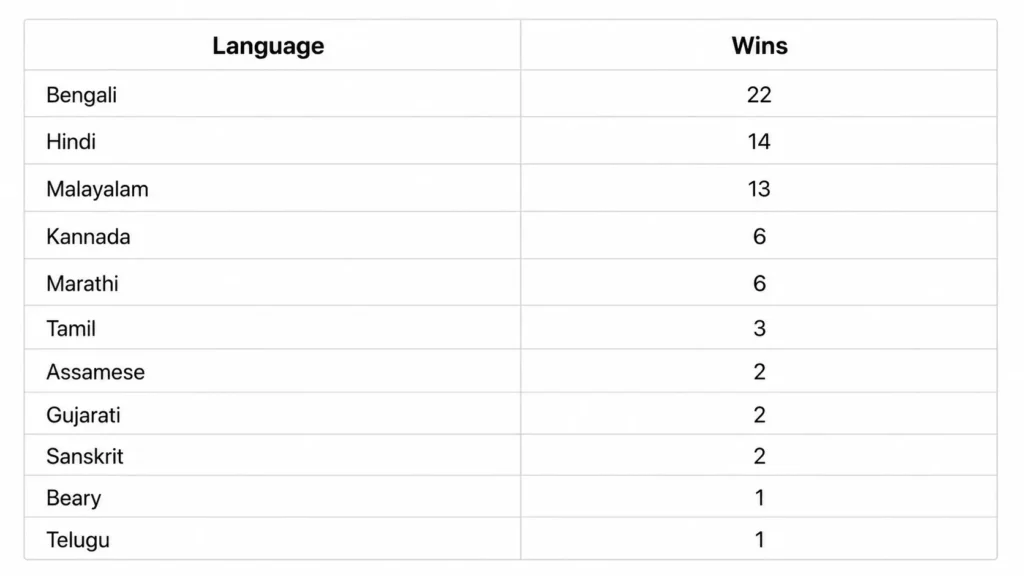
No award was given in 1978; the jury reviewed eighty films and found none ‘worthy of merit’. 2011 saw a joint win between Marathi’s Deool and the Beary-language Byari. The count reflects awarded films, not award years.
Why Bengali leads by such a wide margin
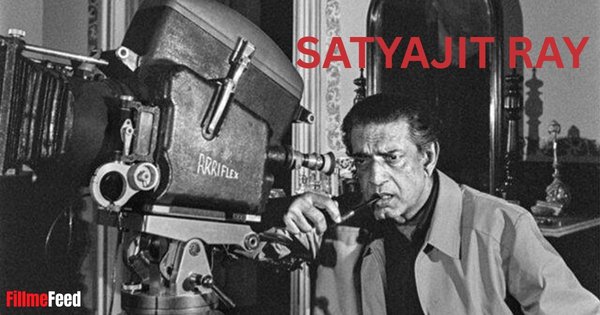
Satyajit Ray alone accounts for six of Bengali’s 22 wins: Pather Panchali (1955), his debut feature and the first Indian film to win the award, followed by Apur Sansar, Charulata, Goopy Gyne Bagha Byne, Seemabaddha and Agantuk. Buddhadeb Dasgupta added five more, including Bagh Bahadur (1989) and Kaalpurush (2008). Between the two of them, that’s eleven confirmed wins before counting anyone else, nearly half of Bengali’s total sitting with two directors.
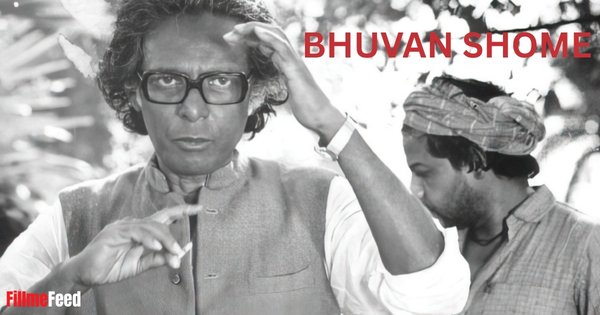
Mrinal Sen is credited with four more overall, which is where this stops being tidy. At least two of those four, Bhuvan Shome (1969) and Mrigayaa (1976), are Hindi films, not Bengali, despite Sen’s reputation as a Bengali auteur. His other two wins weren’t independently identifiable here, so they aren’t assigned to either language. Sen is arguably a better real-world example of this article’s whole point than Mirza Ghalib itself: a filmmaker whose National Award-winning work gets filed under one language when at least half of it actually sits in another.
The award’s early-to-middle decades also coincided with a period when Bengali art cinema carried unusual international critical weight, reflected in the period’s jury composition. That’s context, not a judgement on any other industry’s cinema.
Also Read: Kantara Filming Location: The Incredible Story Behind Rishab Shetty’s Keradi
Hindi’s fourteen, and why the number reads smaller than expected
Six of the fourteen can be named with confidence. Bhuvan Shome (1969, dir. Mrinal Sen) is usually credited as the film that started the Indian New Wave, a lonely railway bureaucrat’s holiday in rural Gujarat that upended what a National Award winner was expected to look like. Mrigayaa (1976, also Sen) followed. Shodh (1979, dir. Biplab Roy Chowdhury) is the least documented of the six here, its production details thinner in the public record than the others. Samar (1998, dir. Shyam Benegal) dramatises caste tension on and off the set of a film crew shooting a story about rural discrimination. 12th Fail (2023, dir. Vidhu Vinod Chopra) and Article 370 (2024, dir. Aditya Suhas Jambhale) are the two most recent Hindi winners. Eight more sit in the Directorate of Film Festivals’ archive, unconfirmed here rather than guessed at.
Benegal’s presence on that list is worth sitting with. He’s the most decorated Hindi filmmaker in National Award history, seven wins in the Best Hindi Feature Film category for Nishant, Manthan, Junoon, Arohan, Suraj Ka Satvan Ghoda, Mammo and Sardari Begum. Only Samar ever crossed into the top prize. That gap between winning the National Award constantly and winning the National Award is close to the whole story of why Hindi’s count reads lower than its commercial footprint suggests: the industry’s centre of gravity sits in mass entertainment, a category this award has historically favoured less than festival and art-house work. The government’s own 1974-instituted Best Popular Film Providing Wholesome Entertainment award, effectively a separate lane for commercial hits, exists partly because of that gap.
Malayalam’s thirteen: close behind, and just as concentrated
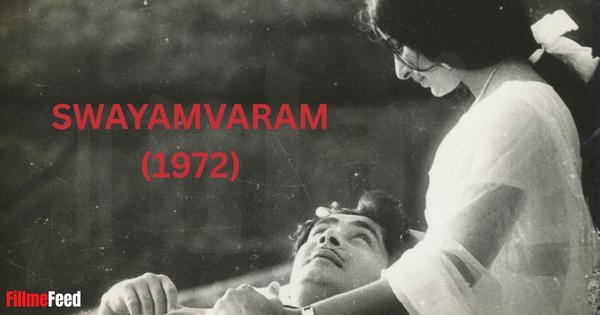
Malayalam sits only one win behind Hindi, and its list is dense with films that shaped Malayalam art cinema rather than merely representing it. Swayamvaram (1972), Adoor Gopalakrishnan’s debut, follows an eloped couple’s slide into poverty in the city and is widely credited as the film that opened Malayalam cinema to international festival recognition. Nirmalyam (1973), the only film M. T. Vasudevan Nair ever directed, is the one where lead actors P. J. Antony and Sumithra were separately given souvenir honours, with Antony also winning the era’s equivalent of Best Actor the same year.
Piravi (1988), Shaji N. Karun’s debut, follows an ageing father waiting at a bus stop for a son who never arrives, having been taken into police custody. The film is based on the life of T. V. Eachara Warrier, and widely understood to draw on the real Rajan case from Kerala’s Emergency years, though Karun himself pushed back on a one-to-one reading, saying the film was about custodial death as an ongoing phenomenon rather than a single incident. Adaminte Makan Abu (2010) follows an elderly couple quietly saving for a Hajj pilgrimage. Aattam (2022) is the most recent Malayalam winner before Hindi retook the prize with 12th Fail.
Every other language, briefly
Kannada (6): Girish Kasaravalli alone won four of the six. His debut, Ghatashraddha (1977), adapted from a U. R. Ananthamurthy novella, follows a young Brahmin schoolboy who befriends his teacher’s widowed daughter as she is ostracised and forced through the film’s title ritual, a funeral rite performed on someone still living, after becoming pregnant. The film later became the only Indian production chosen by the National Archive of Paris for cinema’s centenary celebrations.
Marathi (6): Shyamchi Aai (1953) was the very first Best Feature Film winner ever, before the award was even called that. Shwaas (2003) broke a near-five-decade Marathi drought and went on to become India’s Oscar submission that year. Deool shared the 2011 award with Byari.
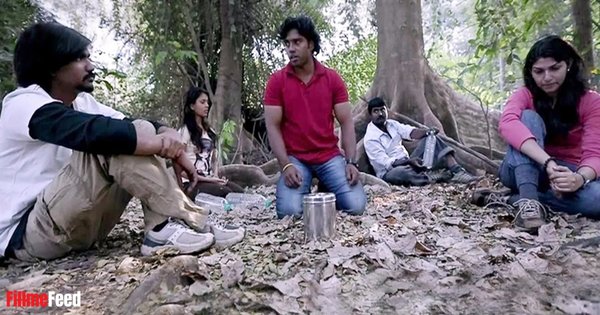
Tamil (3): Soorarai Pottru (2020), loosely inspired by the founder of a low-cost Indian airline, is the most recent confirmed Tamil winner and the industry’s most recent appearance on this specific list.
Telugu (1): Exactly one win, but the specific title couldn’t be verified here and isn’t being guessed at. Sankarabharanam, the film most often cited in this context, actually won a different award, Best Feature Film with Mass Appeal, Wholesome Entertainment and Aesthetic Value, at the 27th National Film Awards, not this one. Repeating that conflation would be exactly the mistake this article exists to correct.
Assamese (2): Village Rockstars (2018), Rima Das’s self-shot, self-financed story of a girl building a homemade guitar in rural Assam, was also India’s Oscar submission that year.
Gujarati (2): Hellaro (2018), about a group of women reclaiming a folk dance under patriarchal restriction in a drought-hit village, gave Gujarati cinema its first Best Feature Film win.
Sanskrit (2): Adi Shankaracharya (1983) was the first feature film ever made in Sanskrit. Bhagavad Gita followed roughly a decade later. Both were directed by G. V. Iyer.
Beary (1): Byari (2011), directed by Suveeran, remains the only feature film ever made in the language, a distinction no other winner on this list shares.
Also Read: Panchayat and Adarsh Baal Vidyalaya Prove India’s Best Bureaucrats Don’t Want the Job
What the raw count doesn’t prove
Seventy-two years is a long stretch for any award to stay mechanically consistent. Jury composition, eligibility rules and what even counted as a submitted ‘feature film’ have all shifted across that span, which flattens any clean year-on-year comparison between, say, 1958 and 2024. The 1978 no-award year and the 2011 joint award both sit in the record as evidence the process has never run on autopilot.
One pattern worth noting: the award has gone to a first-time director unusually often, at least fourteen times across its history, including Ray’s own debut, Adoor Gopalakrishnan’s, Kasaravalli’s and, most recently, Aditya Suhas Jambhale’s for Article 370. Five winning films have also gone on to become India’s official Oscar submission: Apur Sansar, Shwaas, Adaminte Makan Abu, Court and Village Rockstars. Neither fact changes the language count. Both are a reminder that this particular award has, across its history, tended to reward a specific kind of film, often a debut, often festival-facing, regardless of which language it happens to be in.
Mirza Ghalib never won India’s top film award. It won a different one, in a different category, and the mix-up has outlived the film’s own era by seventy years. The misconception was never about which language makes more films. It was always about which award people had in mind.
Frequently Asked Questions (FAQs)
1. What’s the difference between the National Award for Best Feature Film and Best Hindi Feature Film?
Best Feature Film (Swarna Kamal) is a single national award, one winner a year across all languages. Best Hindi Feature Film (Rajat Kamal) is a separate, language-specific award, one of several handed out alongside it.
2. Which language has won the National Film Award for Best Feature Film the most?
Bengali, with 22 wins, ahead of Hindi (14) and Malayalam (13).
3. Did Mirza Ghalib win the top National Film Award?
No. Despite the bloodlust that defines demons throughout the series, Nezuko never harms her brother, and her resistance to it is treated as proof of how strong their bond is.No. It won Best Hindi Feature Film, a separate category. The top award that year went to a different film.
4. Has a Telugu film ever won the top National Film Award?
Yes, once, though the specific film hasn’t been confirmed here.
5. What was the most recent Hindi film to win Best Feature Film?
Yes. It is the first film in a trilogy adapting the manga’s final arc, following on from the Entertainment District, Swordsmith Village and Hashira Training arcs.Article 370 (2024), directed by Aditya Suhas Jambhale.
About FillmeFeed
FillmeFeed is your go-to destination for the latest updates on Bollywood, Hollywood, Anime, Fashion, Lifestyle, OTT releases, Celebrity News, Movie Reviews, and Trending Stories. We bring readers engaging, well-researched, and up-to-date content from the world of entertainment and pop culture.
FillmeFeed is proudly a part of Fillme Networks, a digital media network committed to creating high-quality content across entertainment, lifestyle, technology, and emerging digital trends.



Pingback: Glamoratti Is Fashion's Loud Answer to Three Years of Whispering -
Pingback: India's Oscar entries since 1957, and the three that made the final five -