
It’s two in the morning and the only light in the room is coming off your phone. Your thumb already knows the rhythm before your brain catches up. A haul video. Someone screaming about crypto on a street corner. A stranger crying in a parked car. A dance set to audio sped up just enough to feel frantic. Then the pattern breaks. No hook, no voice telling you to like and subscribe, just a low synth drone, a shot of an Amazon warehouse at night, a wet parking lot at dawn, and someone asking, quietly, what it means to actually be alive. You stop scrolling.
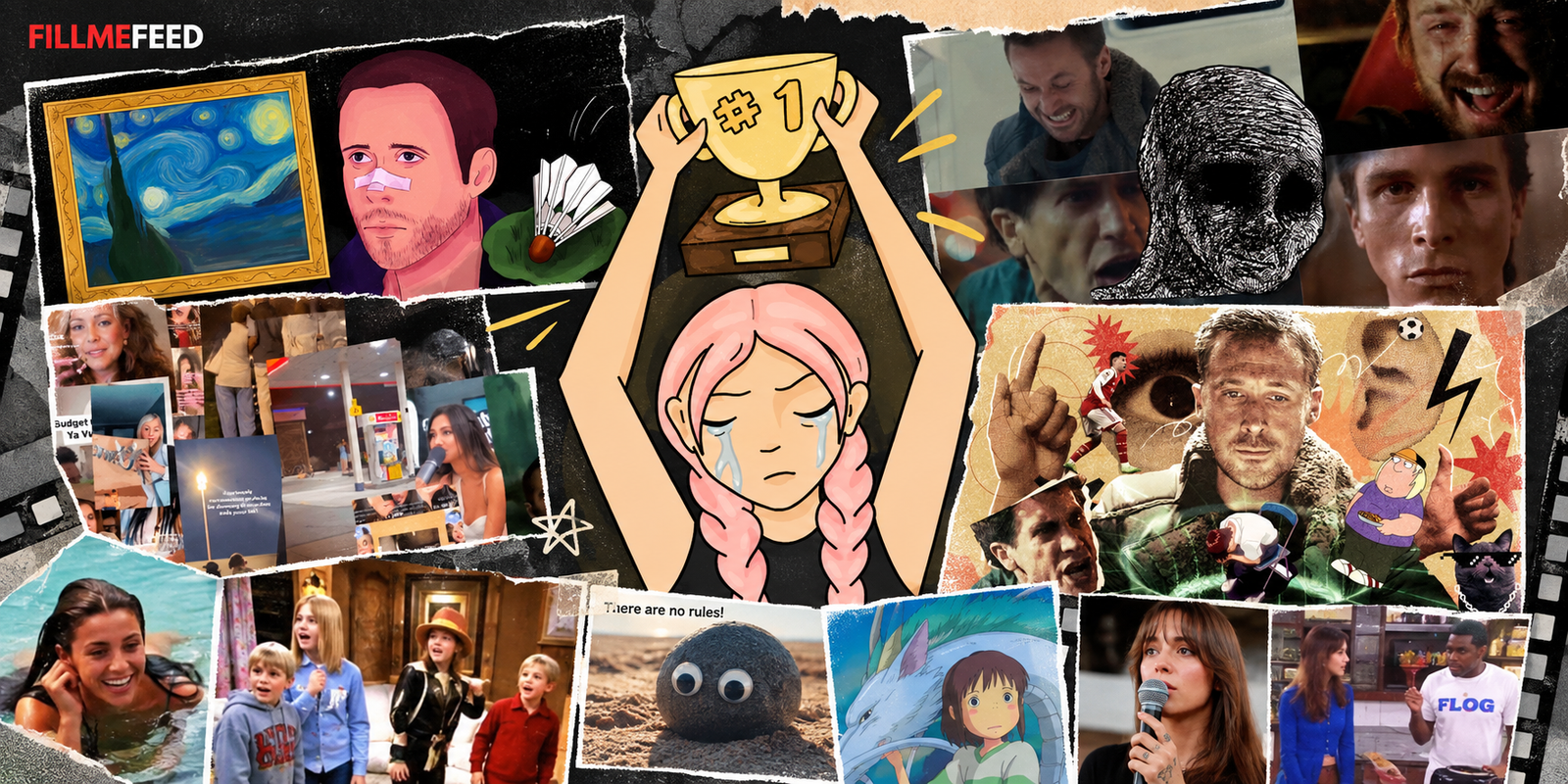
That’s corecore. And if you’ve searched corecore gen z burnout, you’ve probably already noticed most explainers get it half right, calling it “sad TikTok” or lumping it in with nostalgia trends. It isn’t really either. Corecore isn’t looking backward. It’s staring straight at the feed you’re already inside, and showing you what it actually looks like from a slight distance.
I think that distance is the whole reason it caught on the way it did.
The Trend With Nothing to Sell You
Every internet aesthetic from the last decade came bundled with a shopping list. Cottagecore sold linen dresses and sourdough starters. Gorpcore sold hiking boots to people who’ve never seen a trail. Even “clean girl” is basically a checklist: specific lip oil, specific gold hoops, specific skincare fridge. Hand any of those to a brand’s marketing team and they’d know exactly what to stock.
Corecore refuses that. There’s no outfit. No room to decorate. No product tied to the aesthetic at all.
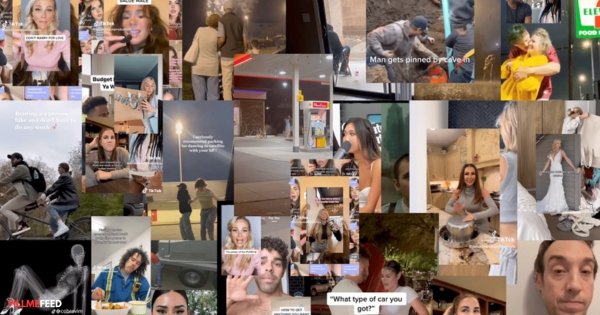
The name started as a bit of a joke on Tumblr and Twitter in the late 2010s before creators like @masonoelle and @johngata solidified it into an actual TikTok format around 2021 and 2022. The core of cores. An aesthetic made out of every other aesthetic, chopped up until the seams show.
You can’t package a critique of packaging. That’s not a flaw in the trend. That’s the point.
I dismissed corecore at first because it appeared on my feed several times. I had the impression that it was just another attempt at an edit that wanted to appear artistic and had been done solely for the sake of aesthetics. But one corecore fell upon me at the time I was tired in that indescribable sense, not the sleepy kind, but rather mentally drained because I had too many tabs open. This corecore didn’t try to bring me up or make me feel good about myself or cheer me up in general. It also did not try to sell me something, it didn’t advertise anything or have some hidden agenda, it was just quiet and sad and for some reason it seemed more honest than other content.
It made me wonder why it is so. Most of the things that appear on your feed usually want something from you whether it be clicks, follows, purchases, reactions, etc. Corecore doesn’t seem to ask for anything from its viewers and it is precisely the absence of this desire that makes it so intriguing. I believe that I am not the only one feeling that way, just read the comments under most of the corecore videos and you’ll see the same phrase repeated a hundred times: someone saying that they were not expecting to find someone who understands them in a video with no plot and no point.
How the Edit Actually Works
Watch enough of these and the rhythm becomes obvious, even if you couldn’t name it. It leans on something filmmakers call the Kuleshov effect: put two unrelated images side by side and the brain builds a third meaning neither image had on its own.
Most corecore edits run three layers against each other. Fast, saturated footage of consumption, Black Friday stampedes, a streamer mid-meltdown, cut hard against something still and grey. An empty parking lot. A subway platform at 2 a.m. Rain crawling down the windshield. Then, threaded through both, something cinematic. Blade Runner 2049. The Truman Show. Home video nobody asked for.
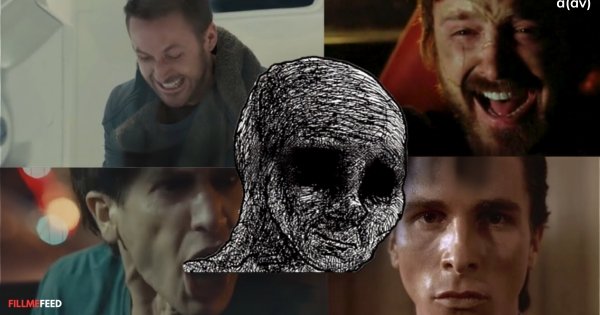
Underneath all of it sits sound, and it’s almost never a pop track. Usually it’s closer to Aphex Twin’s #3 (Rhubarb), beatless and hollow in a way that feels bottomless, or a Duster song dragging its feet. Sometimes a voice comes in over the top. David Foster Wallace describing the numbing tedium of an adult supermarket run. Carl Sagan called Earth a pale blue dot, alone in the dark. The voice says the thing you couldn’t quite find words for.
It’s a strange formula on paper. It works because it borrows the pacing of a normal scroll and flips what that pacing is used for.
Also Read: Hindi Films Remade in South Indian Cinema: The Reverse Remake Story
Why This Reads as Burnout, Not Just Sadness
Corecore Gen Z burnout doesn’t look like the burnout your parents talk about from the office. It’s not only long hours, though plenty of that’s real too. It’s the strain of being an involuntary witness to everything, all at once, with no order and no pause button.
In under a minute you can watch airstrike footage, a recipe, a headline about layoffs, and a dance challenge, stacked back to back in the exact same tone of voice. Nothing tells you which one deserves grief and which deserves nothing at all. Most people just go numb instead. There’s a name for that now, algorithmic fatigue, or affective whiplash if you want the more clinical-sounding term: the constant, jarring flip between tragedy and comedy and an ad for a tumbler, with zero warning between any of them.
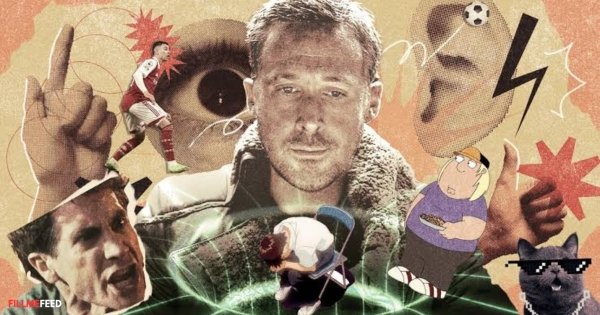
Corecore takes that same overload and hands it back to you deliberately. Instead of an algorithm accidentally slamming a war update next to a skincare haul, a human editor is choosing the collision on purpose, and somehow that makes it easier to sit with. It stops being noisy. It starts being a statement.
There’s a loneliness piece too, and it matters more than people give it credit for. Physical hangout spots, the free ones, parks, community centers, cheap diners that don’t push you out after twenty minutes, have been thinning for years. So a lot of young people’s social life has folded inward, into a bedroom, onto a phone screen. Corecore videos get watched completely alone. And yet the comments underneath read like a group chat nobody organized. I didn’t know anyone else felt like this. Thousands of separate rooms, syncing up around the same feeling for ninety seconds.
I was surprised, honestly, how consistent that comment pattern is across completely unrelated edits.
Older Relatives Than You’d Expect
None of this is new, even if the format is. After the first World War, Dadaist artists sliced up newspapers and industrial ads into collages that made no sense, specifically because the war had already made the world feel senseless. Guy Debord had a term for something close to this decades later, détournement, hijacking commercial media and turning it against itself to expose the hollow thing underneath.
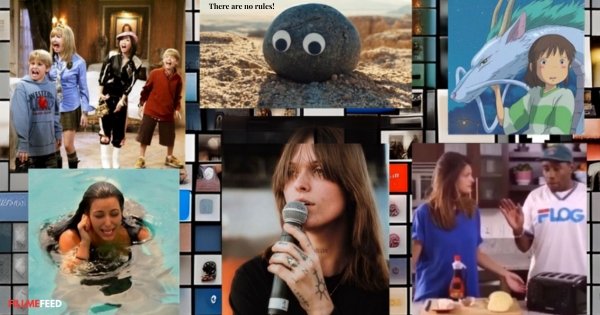
Mark Fisher’s work comes up a lot here too, and it earns the reference. He described hauntology, a grief not for some golden past but for a stable future that was promised and never showed up. Corecore edits carry that exact flavor. They’re not asking anyone to miss the 2000s. They’re pointing at how far off course things have drifted since.
Calling corecore pure despair misses something. If it were only despair, nobody would keep making it, and nobody would keep watching it either. What’s actually happening looks closer to metamodernism, a swing back toward sincerity after years of ironic distance, where admitting you feel something gets treated as brave instead of embarrassing.
Also Read: How a Chhattisgarh’s Theatre Director Taught Hindi Cinema to Talk Like Real People
Where It Split: Hopecore
Trends don’t hold still, and corecore split fast. One branch kept the dread. The other, hopecore, kept the exact same editing grammar, the same drones and slow cuts, and pointed all of it somewhere warmer. A stranger helping someone off the ground. A dog reunited with an owner after years apart. Footage of a night sky nobody’s advertising anything against.
That split tells you something. The melancholy underneath the original was never really nihilism. It was homesickness for real connection, and hopecore is what happens when that homesickness finally gets pointed at something kind instead of something bleak.
Brands noticed, obviously. Movie studios and marketing teams started borrowing the editing style for trailers and promos, which is the usual ending for any internet subculture sharp enough to get noticed. The moment a format becomes legible, it becomes copyable, and a trend built to reject being sold becomes, at least partly, a new tool for selling.
Even so, the original impulse hasn’t gone anywhere.
Somewhere tonight, someone’s feed is going to interrupt a haul video with an empty parking lot and a stranger’s voice asking what any of it is for. For a few seconds the scroll stops meaning nothing. That’s worth taking seriously, not because corecore fixes anything about how exhausting the feed actually is, but because it’s one of the rare honest things the algorithm ever accidentally lets through.
As much as I was skeptical about hopecore at the beginning too, observing enough of it got me to change my opinion. The thing about hopecore is that there is a difference between being forceful and simply noticing positive aspects of your reality without making it sound too much, and hopecore usually finds the sweet spot somewhere there.
But the most important thing here, which keeps coming back to me while considering both approaches is that at the end of the day both of them need the same thing – to be seen. Even if I am skeptical about this idea, I do not think it is an insignificant one.
I spend countless hours scrolling my feed each evening, and I do not believe that the change of editing can solve it. But from time to time I get distracted by something that breaks the rhythm and forces me to focus.
Frequently Asked Questions
What does corecore actually mean?
It’s a video editing style, mostly on TikTok, that mixes clips of consumer culture, quiet everyday footage, and cinematic or archival clips into one fast montage. Rather than promoting a look or product, it’s a critique of internet aesthetics and modern digital life, built entirely out of found footage and ambient sound.
Is corecore just another nostalgia trend?
Not really. Nostalgia trends like Y2K or indie sleaze revive a specific past era. Corecore uses old and new footage together, but the goal isn’t comfort or looking backward. It’s holding up a mirror to the present moment and how disorienting it feels to live inside it right now.
Why do people connect corecore to Gen Z burnout?
Corecore mimics the pacing of a normal social media scroll, but reverses the emotional effect. It captures the exhaustion of constantly switching between crisis, comedy, and advertising, which many young people describe as a defining feature of their daily online experience and their fatigue.
What is hopecore, and how is it different?
Hopecore uses the same slow, drone-heavy editing style as corecore but focuses on kindness, connection, and small moments of beauty instead of dread. It emerged as a direct offshoot, suggesting the original trend was rooted in a wish for connection rather than pure despair.
Who started the corecore trend?
The term has roots in ironic Tumblr and Twitter posts from the late 2010s, but it became a defined TikTok format around 2021 and 2022, popularized by creators including @masonoelle and @johngata, who helped establish its now-recognizable editing rhythm.
About FillmeFeed
FillmeFeed is your go-to destination for the latest updates on Bollywood, Hollywood, Anime, Fashion, Lifestyle, OTT releases, Celebrity News, Movie Reviews, and Trending Stories. We bring readers engaging, well-researched, and up-to-date content from the world of entertainment and pop culture.
FillmeFeed is proudly a part of Fillme Networks, a digital media network committed to creating high-quality content across entertainment, lifestyle, technology, and emerging digital trends.



Pingback: How Hanuman Ansh box office Went From ₹10 Lakh to a ₹48 Crore Theatrical Run Without Spending on Ads -
Pingback: The Bollywood Teachers Who Taught Us More Than What's in a Textbook -
Pingback: The Bureaucrat, The Healer, and The Clerk: How TVF Heartland Universe Deconstructs the Indian Post-Colonial State -